
Transdermal patches like SouthMoon Vitality Plus promise a steady delivery, but you’re right to wonder how well they actually work for you. You’re considering a supplement that hopes to bypass some digestion in favor of skin absorption, yet real-life results can be unpredictable. Factors like how your skin absorbs the patch, how long it stays on, and where you place it all matter—and these can vary from person to person. It’s natural to feel cautious when you’re weighing whether this approach fits your routine and goals.
If you’re eyeing SouthMoon Vitality Plus, it’s smart to think about the practical ups and downs: the variability of skin absorption, how long the adhesive lasts, and how well blood flow at the application site supports the nutrients. The evidence for clear, meaningful gains isn’t crystal clear, so you’ll want products with transparent labels and solid, rigorous testing behind them. This isn’t a settled matter yet, but gathering reliable information can help you decide if this patch approach aligns with your health priorities.
Key Points
- Transdermal delivery can move active compounds through the skin into circulation, bypassing GI metabolism, but real-world absorption varies widely.
- Patch-based dosing offers steady exposure potential, yet reliability hinges on skin condition, device design, and wearer adherence.
- Evidence on patches boosting male vitality is mixed; outcomes depend on formulation, ingredient bioavailability, and individual skin factors.
- Common ingredients claimed (B vitamins, zinc, DHEA precursors, magnesium, CoQ10) lack transparent, consistent dosing and robust independent validation.
- To decide, prioritize transparent manufacturing data, PK/PD studies, real-world performance, and independent testing over marketing claims.
What Transdermal Delivery Means for Male Supplements
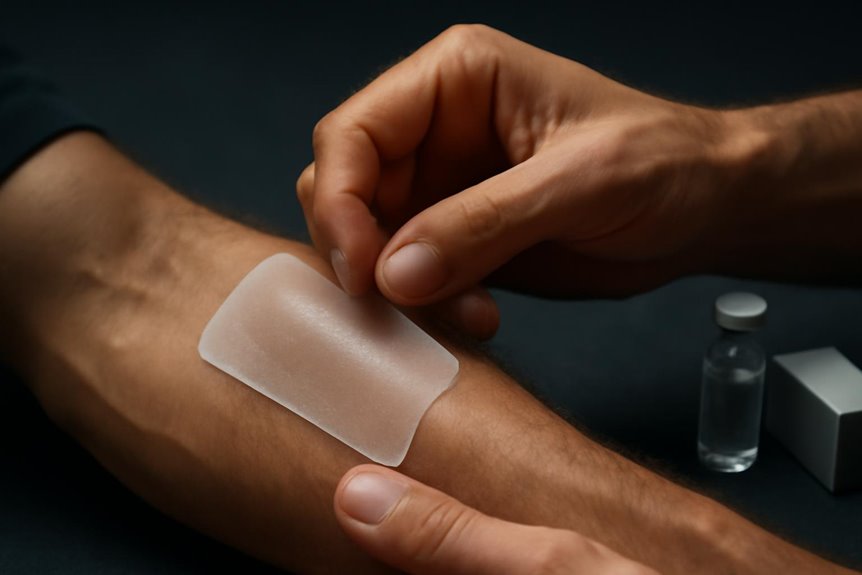
Transdermal delivery transports active compounds through the skin and into systemic circulation, offering a non-oral route that bypasses gastrointestinal metabolism. In this section, you’ll assess what that means for male supplements in practice. The evidence base shows potential advantages, such as steady exposure and avoidance of first-pass metabolism, but has notable constraints. You’ll encounter variability in absorption due to skin condition, formulation, and device design, which can undermine consistency. This is where transdermal skepticism becomes warranted: some patches show erratic release and limited bioavailability relative to oral standards. You should expect rigorous quality controls, with attention to lag times, dose-response relationships, and user adherence. Overall, transdermal approaches may complement, not supplant, established oral strategies, demanding careful evaluation of patch variability.
How Patch-Based Dosing Differs From Pills and Shakes
Patch-based dosing changes how active ingredients enter your system, with absorption that can vary by skin condition and patch surface area, unlike pills that rely on GI transit. You’ll encounter potential differences in dose consistency between patches and capsules or powders, which can affect steady-state exposure. Skepticism is warranted until comparative, high-quality data clarify how these variances translate to real-world outcomes.
Patch-Based Absorption Variances
One key difference is how patch-based dosing delivers compounds over time versus pills or shakes, which can produce distinct absorption profiles and variability in systemic exposure. You may notice slower, sustained uptake with patches, shaped by skin factors and formulation. Absorption variance arises from adhesive duration, site-specific skin perfusion, and transdermal permeability, leading to inconsistent peak concentrations across users. Evidence highlights patch history as a factor in design choices, yet real-world variability persists. Dermatology relevance centers on local skin reactions and carrier interactions that can alter bioavailability. Overall, patches introduce a different kinetic pattern than oral formats, demanding cautious interpretation of systemic exposure data and careful patient selection.
| Factor | Effect |
|---|---|
| Adhesive duration | Influences release window |
| Site perfusion | Alters absorption rate |
| Skin barrier | Modulates bioavailability |
Dosing Consistency: Patches vs Pills
Dosing consistency matters because how a patch delivers compounds over time can produce markedly different exposure profiles than pills or shakes. You assess consistency by how reliably the patch maintains steadier levels versus intermittent oral dosing, recognizing that absorption depends on skin conditions, adherence, and patch design. Evidence suggests patches can reduce peak-trough fluctuations, yet variability in patch reliability remains a concern, especially with longer wear times or device during activity. Pills produce more immediate pharmacokinetic fluctuations and depend on gastric factors, which can blur comparisons. Consider potential skin irritation, which may prompt removal and dosing gaps, undermining consistency. Overall, the claim of uniform exposure hinges on patch reliability and careful monitoring of any skin irritation that interrupts use.
What Ingredients SouthMoon Vitality Plus Patches Claim to Deliver
What ingredients do SouthMoon Vitality Plus Patches claim to deliver? You’re evaluating claims rather than assuming effectiveness. The company highlights a mix of hormones, vitamins, and minerals, but the exact formulation and concentrations are not transparently disclosed. This raises questions about consistent dosing and clinical relevance. You should scrutinize whether components align with evidence for male vitality and hormonal support, beyond marketing language. Policy around patch sourcing and ingredient transparency matters for trust and risk assessment. Here are the claimed ingredients you should verify:
- Vitamin B complex and zinc for energy and testosterone support
- DHEA or other hormonal precursors, if listed
- Magnesium and selenium for cardiovascular and metabolic roles
- CoQ10 or herbal subsets implicated in general vitality
Ingredient claims and Patch sourcing require careful verification.
What Science Says About Skin Absorption and Blood Levels
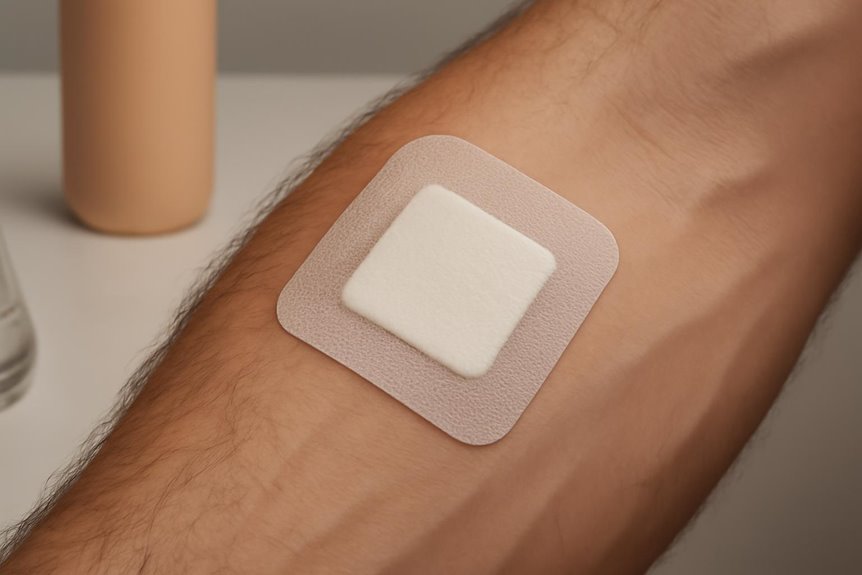
Skin absorption from transdermal patches is not a guaranteed route to predictable blood levels, and the science shows substantial variability. From a evidence-based perspective, you should expect inconsistency due to skin barrier differences, formulation viscosity, and regional blood flow. Studies of transdermal systems reveal that a fraction of the applied dose actually enters systemic circulation, with substantial interindividual differences. Blood levels may plateau or drift, and timing can be imprecise, complicating dose-response interpretations. You should also consider that not all compounds permeate efficiently; physicochemical properties matter as much as patch design. In short, skin absorption does not guarantee reliable systemic exposure. Vigilance in monitoring, skepticism toward optimistic claims, and reliance on robust pharmacokinetic data are warranted when evaluating these patches.
Practical Considerations: Wear Time, Adherence, and Discreet Use
In practical terms, wear time, adherence, and discreet use matter because patch performance hinges on consistent contact and user behavior rather than pharmacology alone. You’ll need to monitor skin condition, remember replacement schedules, and maintain discretion to avoid signaling use to others. Evidence underscores adherence as a major variable in outcomes, not only patch formulation. Consider practical constraints, potential irritation, and daily activities that disrupt wear. Ethical considerations arise when user privacy and social implications intersect with trends like unrelated topic framing or marketing claims. Be skeptical of overstated convenience or energy claims. The following points summarize actionable considerations:
- Consistency of application and timing
- Skin integrity and site rotation
- Discreet storage and removal
- Contextual privacy and ethical considerations
Potential Benefits and Limitations for Energy and Performance
Energy and performance effects from transdermal patches hinge on more than their pharmacology; user behavior and biological variables still shape outcomes. You should view any energy claims with skepticism, because benefits depend on absorption, metabolism, and adherence, not just the device. Evidence for rapid, consistent boosts is limited and often confounded by placebo effects and dosing variability. Potential benefits may include steadier hormone or nutrient exposure, reduced GI side effects, and convenience, but these advantages hinge on overcoming absorption limits and individual skin factors. Be wary of transdermal myths that promise dramatic, universal gains without regard to timing or training status. In practice, patch performance will likely be modest at best, with notable inter-individual differences and limited, context-specific impact on performance metrics.
How to Evaluate Patch Quality and Real-World Effectiveness
Consider what quality and real-world effectiveness actually require when evaluating patches. You’ll assess claims against data on delivery consistency, user experience, and independent testing. Look for transparent manufacturing details, robust quality control, and reproducible outcomes in diverse users. Be skeptical of marketing hype without peer-reviewed support. Key concerns include patch reliability and batch variability, which can drive inconsistent dosing and diminished effects. In practice, verify labeling accuracy, expiration handling, and patch adhesion under daily activities. Seek independent studies or regulatory assessments that mirror real-world use. Ask for access to ingredient lists, carrier systems, and patch-life testing. Finally, compare real-world performance across users, not single-case anecdotes, to form a prudent judgment about sustained vitality effects. Reliability and variability drive true effectiveness.
Decision Framework: Should You Try Transdermal Patches for Vitality?
Transdermal patches must be evaluated for actual efficacy and dosing consistency before you try them, weighing patch-level data against your goals. You should consider both how reliably the patches deliver active compounds (Patch Efficacy Considerations) and the potential safety or dosing issues (Safety and Dosing Implications). If the evidence is unclear or inconsistent, you should pause and seek higher-quality data before adopting this delivery method.
Patch Efficacy Considerations
How compelling is the case for transdermal patches in boosting vigor? You should approach patch efficacy with caution, focusing on measurable outcomes rather than promises. Evidence on bioavailability via skin absorption remains mixed, and variability across individuals is common. Transdermal systems may bypass first-pass metabolism, yet this doesn’t guarantee meaningful gains in vigor or testosterone-related metrics. Scrutinize study design, controls, and funding sources before you’re swayed by headlines.
- Patch efficacy hinges on consistent skin absorption and predictable dosing
- Real-world adherence can alter expected outcomes
- Comparative studies vs. oral or injectable options are limited
- Short- and long-term effects require rigorous, independent replication
Safety and Dosing Implications
Evidence on patch safety and dosing reliability is mixed, so you should approach this topic with caution. In this section, you assess transdermal safety and dosing implications with a clinical lens. You’ll consider variability in skin absorption, which can influence systemic exposure and effectiveness. Expect results to hinge on formulation, patch integrity, and wear time, not just active ingredients. Reported risks include localized irritation, sensitization, and inconsistent transdermal delivery, potentially yielding subtherapeutic or supratherapeutic levels. Dosing guidance remains uncertain due to interindividual differences in permeability and dermatological condition. Before trial, weigh the balance of plausible benefits against safety signals and short-term tolerability. If you proceed, monitor for skin reactions and assess objective changes cautiously, recognizing that dermatopharmacokinetics drive much of the observed variability in transdermal safety and skin absorption.
Common Questions
Are Patches Superior to Pills for Testosterone-Related Vitality?
Patch efficacy can be variable, and patches aren’t universally superior to pills for testosterone-related vitality. You’ll often face inconsistent absorption and fluctuating testosterone levels, which undermines reliability. You may find dosage consistency improves with some formulations, but evidence remains mixed and skepticism is warranted. Consider monitoring with objective measures, and weigh potential skin reactions. In short, patches aren’t a guaranteed answer; you should scrutinize dosing schedules, side effects, and overall clinical context before committing.
Do Patches Deliver Consistent Dosing Across Activities?
Yes, patches can deliver fairly consistent dosing, but transdermal consistency varies with skin, placement, and activity. You should expect some activity variability; sweating, bath routines, or heat can alter absorption. Think of it as a cautious, evidence-based gauge rather than a guarantee. You’ll need monitoring, dose adjustments if needed, and adherence to manufacturer guidelines to avoid fluctuations. In short, acknowledge limits and track effects for reliable, clinically relevant outcomes.
Can Patches Cause Skin Irritation or Allergic Reactions?
Yes, patches can cause skin reactions or allergy risks. You may notice redness, itching, or dermatitis at the application site, especially with sensitive skin or repeated exposure. Evidence suggests variability in absorption and local irritation rather than systemic benefits. Consider patch materials, adhesive interfaces, and crossover ingredients. If symptoms persist, discontinue and consult a clinician. Monitor for sufficient time after application to distinguish transient irritation from more significant allergic responses. Skin reactions require caution, particularly with concurrent medications.
How Long Before Effects Are Noticeable With Patches?
Effect onset with patches varies, but you should expect transdermal onset within hours to a few days, not minutes. You’ll want to monitor for consistent dosing as patch adherence and patch consistency matter; fluctuations can delay noticeable effects. In practice, give it 24–72 hours to assess initial response, then reassess after a full dosing cycle. Evidence supports variable absorption, so don’t expect uniform results across all days. Stay skeptical and track symptoms methodically.
Are There Regulatory Protections for Patch Claims?
Yes, there are regulatory protections for patch claims. You should scrutinize whether makers provide disclaimer considerations and cite robust data. Regulatory claims are limited by evidence strength, manufacturing standards, and labeling rules, so you’re right to be skeptical. Look for independent trials, transparent methodologies, and adverse-event reporting. If claims seem speculative or omit disclaimers, assume they’re not well-supported. You deserve vetted, evidence-based guidance before trusting transdermal supplementation.