
If you’re dealing with prostate inflammation or discomfort, you’re not alone. It can feel frustrating trying to find something that actually supports your body without adding more pills or side effects. Purvival Prostaphenol brings together polyphenol-rich ingredients like luteolin-heavy citrus extracts, ellagic-acid berry compounds, and curcumin-like components with the aim of modulating inflammatory pathways and boosting mitochondrial resilience. The idea is to offer a more targeted approach that fits into real-life routines, with an emphasis on standardized blends and GMP-aligned manufacturing so you can trust what you’re taking.
But the practical impact depends on the details that matter to you: how much you take, how well the formulation works for your body, and potential interactions with any other treatments you’re using. It’s reasonable to ask whether this approach truly moves the needle on inflammation compared with what you’re already doing, and how safety is maintained in the mix. This guide helps you weigh precision dosing, safety considerations, and real-world effects so you can decide if Purvival Prostaphenol might matter to your regimen.
Key Points
- Prostaphenol blends luteolin-rich citrus polyphenols, ellagic acid–bearing berries, and curcumin-like compounds to target inflammation and NF-κB/MAPK signaling in prostate health.
- French nutraceutical practices emphasize standardized blends, traceable sourcing, and GMP-compliant quality controls for reproducible outcomes.
- Synergy among ingredients aims to enhance antioxidant and anti-inflammatory effects while targeting mitochondrial resilience.
- Potency depends on dose, bioavailability, and tissue targeting; real-world use relies on randomized data and PK profiles.
- Practical use guidance: daily, with meals, 6–8 weeks, monitor PSA and urinary symptoms, and verify third-party testing and safety.
What Are Polyphenols and Why Prostate Health Benefits?
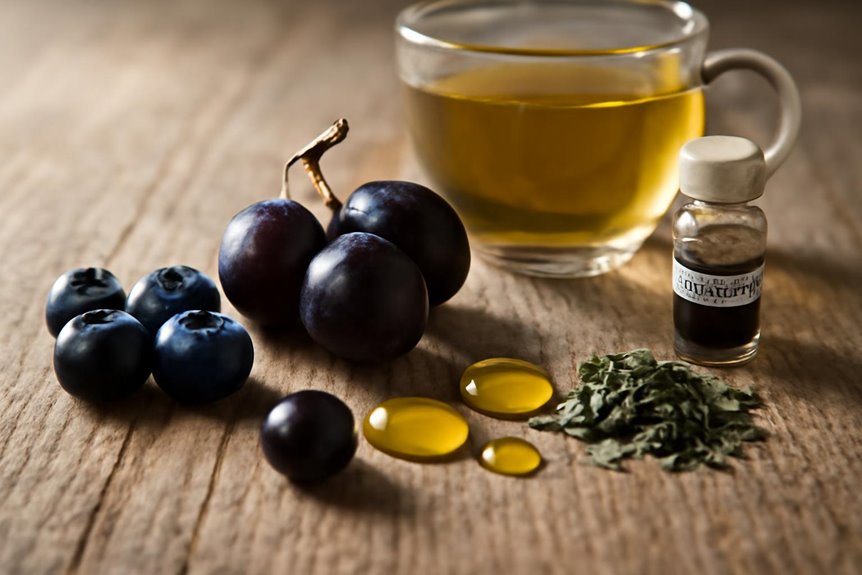
Polyphenols are bioactive compounds found in plants that exert antioxidant, anti-inflammatory, and modulating effects on cellular signaling. You’ll learn that these phytochemicals—flavonoids, phenolic acids, stilbenes—participate in redox balance, gene expression, and enzyme activity relevant to prostate physiology. Evidence suggests potential reductions in oxidative stress and inflammatory mediators associated with prostatic dysfunction, while some data point to favorable changes in androgen-related pathways and cellular proliferation markers. However, you should distinguish robust clinical endpoints from surrogate outcomes and recognize study heterogeneity. In practice, polyphenol myths sometimes inflate short-term gains; prostate myths about universal benefits persist despite mixed trial results. Adopting a nutraceutical-informed approach means integrating quality polyphenol sources with comprehensive lifestyle strategies rather than relying on single-compound expectations.
The French Edge: Sourcing, Formulation, and Science-Backed Blends
How does France’s nutraceutical landscape translate into a reliable polyphenol blend for prostate support? You’ll find that French sourcing and formulation science underpin standardized, evidence-informed blends. Rigorous sourcing ensures traceability of polyphenol-rich botanicals, while formulation science optimizes bioavailability, synergy, and dose consistency. Quality controls, batch testing, and GMP-compliant processes reduce variability, supporting reproducible outcomes. Blends emphasize antioxidant and anti-inflammatory pathways relevant to prostate health, with ratios chosen to maximize absorption and target mechanism-specific endpoints. Clinically minded production emphasizes safety margins, interactions, and patient tolerability. The result is a science-backed profile you can trust for consistency, transparency, and measurable support. In short, France’s approach translates into reliable, well-characterized polyphenol blends for proactive prostate care.
| Column A | Column B |
|---|---|
| Sourcing | Formulation science |
| Traceability | Bioavailability optimization |
| Quality controls | Dose consistency |
Key Ingredients in Prostaphenol and How They Work Together
What makes Prostaphenol effective is its carefully selected blend of polyphenol-rich ingredients that target prostate health through complementary mechanisms. You’ll find luteolin-rich citrus polyphenols, ellagic acid–bearing berries, and curcumin-like polyphenols that modulate inflammation, oxidative stress, and cellular signaling. These components synergize by targeting NF-κB, MAPK pathways, and mitochondrial resilience, supporting balanced microenvironmental homeostasis in prostatic tissue. Sourcing Standards ensure consistency and traceability, aligning bioactive profiles with rigorous quality checks. Purview vs Potency informs formulation choices, prioritizing clinically relevant concentrations over maximal extract yield to avoid redundancy. You benefit from a product designed for reproducible effects, not overstated claims, with standardized polyphenol content and validated batch testing. Together, these ingredients deliver a coherent, evidence-informed nutraceutical strategy for supporting prostate comfort and function.
How to Interpret Polyphenol Potency: Dosage, Bioavailability, and Bioefficacy
When evaluating polyphenol potency, understanding dosage, bioavailability, and bioefficacy is essential to translate lab signals into real-world benefits. You should view polyphenol potency as a function of dose relative to bioavailability and tissue targeting, not a single metric. Dose matters: dosage strategies influence plasma exposure, metabolite formation, and duration of action, shaping clinical relevance. Bioavailability hinges on absorption, first-pass metabolism, and transport to target sites, so consider formulations that enhance stability and intestinal uptake. Bioefficacy reflects whether systemic exposure translates into measurable endpoints, like antioxidant activity, anti-inflammatory effects, or hormonal modulation relevant to prostate health. Interpret data from randomized trials and well-controlled pharmacokinetic studies, prioritizing reproducible effects at feasible intake levels. Integrate evidence with safety margins and product quality to optimize outcomes.
Practical Steps to Incorporate Purvival Prostaphenol Into Your Routine
To apply Purvival Prostaphenol effectively, start with a clear, evidence-informed plan that aligns dosage and delivery with your routine and goals. Begin with a consistent daily window to improve adherence and monitor effects over 6–8 weeks. Practical steps include selecting a standardized extract with defined polyphenol content, pairing with meals to enhance absorption, and using a once-daily formulation during morning or evening routines to minimize GI upset. Track objective markers—PSA trend, urinary symptoms, and subjective energy—and adjust timing to optimize bioavailability without exceeding recommended doses. Prioritize product integrity: verify third-party testing, batch consistency, and absence of adulterants. For routine integration, integrate Purvival Prostaphenol alongside a Mediterranean-style diet rich in fiber and polyphenols, ensuring alignment with your clinician’s guidance on overall prostate health strategy.
Safety, Interactions, and When to Consult a Clinician

Safety first: while Purvival Prostaphenol shows promise, it isn’t risk-free, and you should weigh potential interactions and side effects before adding it to your regimen. You may experience mild GI upset, headaches, or allergic reactions in rare cases; these events are typically dose-related and reversible. Safety concerns include interactions with anticoagulants, antiplatelet meds, and certain antihypertensives, as well as possible effects on hormone-related pathways. Start with a low dose and monitor for changes in urination, blood pressure, or lab values if you self-initiate. Do not discontinue prescription therapies without your clinician’s guidance. If you’re pregnant, nursing, or have active cancer or polypharmacy, seek clinician consultation to tailor use, assess contraindications, and establish a monitoring plan.
What the Latest Research Suggests About Polyphenols and Prostate Wellness
Emerging research suggests polyphenols may influence prostate health through multiple mechanisms, including anti-inflammatory effects, modulation of hormone signaling, and antioxidant activity. You’ll find evidence from mechanistic studies, epidemiology, and small clinical trials that support modest benefits forflammation, oxidative stress, and PSA trajectories, though effects are context- and compound-specific. Polyphenol myths persist, such as universal efficacy across all prostate conditions or across all stages of aging; current data emphasize targeted outcomes rather than broad claims. Dosing controversy remains a real consideration: effective ranges vary by compound, formulation, and bioavailability, with higher isn’t always better. For you, selecting standardized extracts with documented polyphenol content and clinical-grade quality, and consulting a clinician about personal risk factors, helps translate lab insights into practical, prudent use.
Common Questions
Is Prostaphenol Effective for All Ages and Stages of Prostate Health?
Prostaphenol isn’t universally effective for all ages or all stages of prostate health. You should consider age range considerations and stage specific efficacy when evaluating its benefits. Evidence suggests polyphenol-focused nutraceuticals may help certain men with early or mild manifestations, but outcomes vary with disease progression and individual risk factors. For best guidance, discuss your age, stage of health, and expectations with a clinician and review quality studies and dosing specifics.
Can Polyphenols Interact With Common Medications I Take?
When you mix supplements with meds, polyphenol interactions can occur, so you should check. I once heard of a patient who paused a drug for a week and noticed altered effects due to polyphenol-rich foods; timing mattered. Polyphenol interactions may affect absorption or metabolism, especially with anticoagulants or statins. Coordinate with your clinician on medication timing, dosing, and supplement use to minimize risks and tailor evidence-based nutraceutical strategies to your situation. Always verify with your prescriber.
What Sets Purvival Prostaphenol Apart From Similar Polyphenol Products?
Purvival Prostaphenol stands apart due to nontargeted polyphenol diversity, standardized bioactives, and clinically guided formulation. You benefit from documented diffusion pathways optimizing tissue exposure, plus palate considerations that support tolerability and dosing adherence. The product emphasizes rigorous quality controls, consistent batch potency, and transparent ingredient sourcing. Compared with generic polyphenol blends, you get a more predictable pharmacokinetic profile, reduced interaction risk, and nutraceutical-grade stability designed for long-term, evidence-based use.
Are There Any Known Side Effects From Long-Term Use?
Side effects from long-term use are not well documented; current evidence suggests generally low risk with standard dosing, though mild GI upset or headaches can occur in some individuals. Long term safety appears favorable when adherence to recommended amounts is maintained, but data gaps exist for extended use beyond several months. If you notice persistent symptoms, consult a clinician. You should monitor for adverse reactions and reassess the benefit–risk balance periodically.
How Soon Might I Notice Benefits After Starting Prostaphenol?
You’ll likely notice fast acting benefits within several weeks of starting prostaphynol, though timing varies by individual. Most users report gradual improvements in urinary comfort and flow, with peak effects typically appearing after 4–8 weeks. Stay consistent, monitor symptoms, and consult a clinician if you don’t observe changes by two months. This nutraceutical approach emphasizes evidence-informed polyphenol effects, but remember that real-world results depend on baseline health, comorbidities, and adherence. Fast acting benefits may occur, but timing expectations should be cautious.