
If you’ve started waking up more at night after hitting 50, you’re not alone.
Prostate Multiphase Support understands how frustrating it can be to feel disrupted by bathroom trips, and it offers a practical path you can follow without guesswork.
Think of it as a friendly guide that breaks the journey into doable steps, so you can feel more in control of your mornings and evenings.
This program uses three clear stages to meet you where you are: establish base bladder comfort, optimize phase-targeted nutrients, and reinforce lasting habits.
Each phase lays out transparent dosing and measurable touchpoints, so you can see how small tweaks fit your unique health context and track progress over time.
If you’re curious about what comes next and how it could fit your goals, this framework might be the practical support you’ve been looking for.
Key Points
- The Multi-Stage Prostate Wellness Formula uses distinct phases to target bladder comfort, function, and tissue health with evidence-backed ingredients.
- Phase 1 establishes a stable baseline for urinary comfort and irritation reduction, with clear milestones for progress.
- Phase 2 emphasizes targeted micronutrients and synergistic blends to optimize absorption and prostate-specific effects.
- Phase 3 focuses on lifestyle maintenance, including exercise, sleep, stress management, and consistent routines for long-term results.
- Personalization tailors dosing and phase sequencing to age, health context, medications, and comorbidities for adherence and efficacy.
The Multi-Stage Concept: What Prostate Multiphase Support Is All About

The Multi-Stage Concept helps explain why some prostate wellness formulas use multiple ingredients in distinct phases rather than a single blend. You’ll see, in practice, that each phase targets a specific aspect of comfort and function, supported by evidence from focused studies. Phases clarified means you can evaluate how ingredients interact over time, reducing potential interactions and optimizing absorption. In this framework, you assess whether a product aligns with your goals and monitoring needs, rather than assuming a one-size-fits-all approach. Dosage considerations matter: phase timing, individual tolerance, and total daily amounts influence outcomes and safety. This approach emphasizes measurable endpoints, traceable ingredient roles, and transparent labeling, helping you compare products with a precise, evidence-driven lens and avoid unnecessary redundancy.
Phase 1: Foundations for Comfort and Function
Phase 1 lays the groundwork for improved comfort and function by targeting core mechanisms up front, so you know exactly what to expect and why these choices matter. You’ll engage foundational strategies that reduce irritation, support normal bladder dynamics, and promote steady urinary comfort. The focus is on predictable, evidence-informed steps that minimize ongoing discomfort and preserve function. By prioritizing these elements, you establish a stable baseline that informs later enhancements, without overpromising beyond what is supported by data. Expect measured progress, driven by clear targets and continuous assessment. The aim is a practical, safety-first approach that helps you move forward with confidence and consistency in daily life.
- Clear milestones you can track
- Measurable comfort gains you can notice
- Confidence from transparent, evidence-based reasoning
discomfort reduction, urinary comfort
Phase 2: Targeted Nutrients for Prostate Wellness
In Phase 2, you’ll explore how Targeted Nutrient Synergy works together to support prostate health, with an emphasis on how combinations outperform single nutrients. We’ll also review Prostate-Specific Micronutrients that have shown relevance in clinical and observational data. This discussion sets the stage for precise, evidence-based decisions about nutrient choices and dosing strategies.
Targeted Nutrient Synergy
Ever wonder how specific nutrients can work together to support prostate health? In this phase, you’ll see how targeted nutrient synergy enhances effectiveness beyond single-pill thinking. Precise combination choices are aligned with evidence, emphasizing compatible mechanisms rather than isolated effects. You’ll use phase sequencing to time nutrient delivery for maximal absorption and action, reducing competition and optimizing tissue uptake. The approach isn’t about gimmicks; it’s about coherent strategy, clarifying how vitamins, minerals, and phytonutrients interact to support normal function.
- Synergistic blends that modulate inflammation and cellular stress
- Timed delivery to optimize uptake and transporter activity
- Combinations chosen to minimize redundancy and maximize impact
Prostate-Specific Micronutrients
Could targeted micronutrients really make a difference for the prostate? In this phase, you’ll examine micronutrients chosen for their mechanistic relevance to prostate physiology. You’ll focus on evidence-supported roles in modulating cellular signaling pathways and maintaining functional cellular exchange within glandular tissue. The emphasis is on targeted nutrients that influence peptide signaling networks and membrane transport processes, supporting homeostasis without overstimulation. You’ll review data from controlled trials and meta-analyses that relate specific vitamins, minerals, and trace elements to prostatic markers, urinary function, and inflammatory status. You’ll assess dosing rationale, bioavailability, and potential interactions with common medications. The goal is to translate complex findings into practical guidance, balancing benefit with safety, while highlighting gaps where further rigorous research is needed. This approach informs phase two decisions with precision.
Phase 3: Lifestyle Synergy for Long-Term Maintenance

In Phase 3, you’ll look at Lifestyle Habits Maintenance as the keystone of long-term success, tying daily routines to sustained prostate health outcomes. You’ll evaluate how consistent exercise, sleep, and stress management contribute to a durable wellness rhythm, alongside a steady nutritional pattern. This discussion centers on building a practical Prostate Health Routine that harmonizes behaviors for lasting benefits.
Lifestyle Habits Maintenance
Maintaining prostate wellness over the long term hinges on consistent lifestyle choices that reinforce each other. In this phase, you’ll fine‑tune daily habits to sustain gains, using evidence‑based practices that fit your routine. Focus on predictable routines, measurable goals, and gradual adjustments to avoid setbacks. By integrating two word discussion ideas1 and two word discussion ideas2 into your planning, you create cognitive consistency that supports adherence. Expect small, cumulative benefits rather than dramatic shifts, and monitor outcomes with simple metrics.
- Habit stacking for consistency
- Balanced nutrition and activity
- Sleep hygiene and stress reduction
Long-Term Wellness Synergy
How can you harness long‑term wellness synergy to sustain prostate health over years? You’ll focus on sustained lifestyle patterns that support stable function and slow symptom progression. Evidence suggests that cumulative, moderate-altering habits outperform sporadic changes for age related risk factors, so you’ll implement consistent routines rather than dramatic shifts. Prioritize regular physical activity, balanced nutrition, adequate sleep, and stress management, aligning with guidelines for chronic disease prevention. Monitor weight, inflammatory markers, and metabolic health to reduce systemic strain that can influence prostate aging. Avoid excuses; small, repeatable actions compound. Pair these routines with routine medical check-ins to track trajectories, detect subtle shifts early, and refine strategies. This phase emphasizes disciplined consistency, enabling durable protection against gradual health declines without overhauling daily life.
Prostate Health Routine
Could steady, small habits really protect prostate health over years? Yes, when you align routine with evidence. This Prostate Health Routine emphasizes consistency, monitoring, and thoughtful choices that compound over time. You’ll evaluate lifestyle signals, track responses, and adjust with data-driven care. The focus is on sustainable actions, not quick fixes, ensuring long-term maintenance within Phase 3: Lifestyle Synergy.
- Prioritize moderate exercise, balanced nutrition, and regular screening discussions with your clinician
- Track symptoms and side effects, noting changes to inform care decisions
- Evaluate supplement brands carefully, comparing ingredients, dosages, and evidence before use
In practice, you’ll document outcomes, discuss side effects, and refine your plan. This disciplined approach supports durable prostate health without unnecessary risk.
How to Choose a Quality Multiphase Formula
Choosing a quality multiphase formula requires evaluating ingredients, evidence, and sourcing—before you buy, ask: does the product deliver targeted, well-supported components in effective doses? You should look for transparent labeling, including evidence-backed dosages and the specific phase composition. Prioritize formulas with clinically relevant ingredients and units clearly listed. Assess targeted delivery properties: are actives protected or released in stages to align with your physiology? Examine dosage timing: do recommended schedules optimize absorption and synergy across phases? Seek third-party testing or certifications, and beware proprietary blends that obscure amounts. Compare multiple products for consistency, batch numbers, and shelf stability. A quality formula will specify measurable outcomes, tolerability data, and realistic expectations, enabling you to monitor progress without guesswork.
Personalization: Adapting Phases to Age and Health Contexts
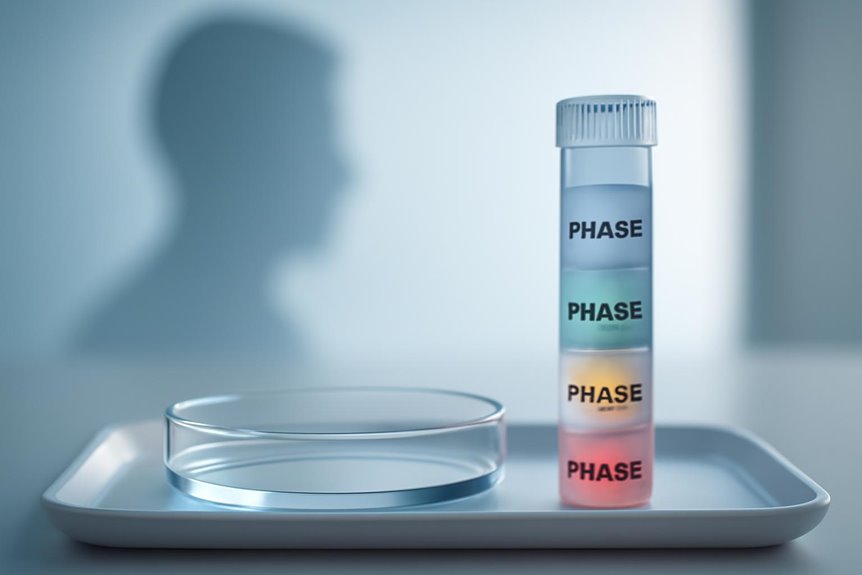
Personalization matters because age and health context shape how a multiphase formulation should be dosed and delivered. You’ll tailor each phase to you, using evidence and clear criteria to guide decisions. Age tailoring means considering metabolic rate, renal function, and hormonal status, while health context accounts for comorbidities, medications, and lifestyle. This approach helps balance benefits and risks, reducing unnecessary exposure. By aligning phases with your profile, you support tolerance, efficacy, and adherence.
- You gain a clearer sense of control and confidence.
- You reduce uncertainty through targeted dosing.
- You sustain consistency by honoring your unique health context.
Implementing the Plan: Practical Daily Steps
Putting the personalization groundwork into action, you’ll translate age- and health-context insights into concrete daily habits that support the Prostate Wellness Formula. You’ll implement consistent routines, prioritizing evidence-based choices with minimal risk. Start with a simple morning plan: hydrate, take targeted supplements as advised, and log any acute responses. Use diet-ready templates to guide fiber intake, lean protein, and cruciferous vegetables, while avoiding excess saturated fat. Structure activity into moderate, regular workouts and a brief stress-management pause. Track sleep quality and caffeine timing to avoid disruptions. Two word discussion ideas, unrelated topics, can seed reflection after meals—practice concise notes on what worked. Review your plan weekly, adjust portions or timing, and maintain adherence without overhauling established habits. This approach emphasizes precision and reproducibility.
Measuring Impact: How to Track Symptoms and Wellness
How can you reliably measure the impact of the Prostate Wellness Formula on your symptoms and overall wellness? You can adopt a structured tracking routine that combines objective data with subjective experience. Use daily diaries to log urinary patterns, nocturia frequency, and pain levels, and pair these with weekly mood scores and energy levels. Establish baseline measurements before adjustments, then compare after each phase for clear signals. Integrate simple, repeatable metrics to minimize bias, and review trends in regular intervals to guide discussion ideas with your clinician.
Track daily urinary data and mood to measure Prostate Wellness Formula impact, guiding clinician discussions.
- Consistent daily entries that reveal patterns
- Clear before-and-after comparisons for each phase
- Honest, actionable notes that inform two word, discussion ideas
Common Questions
What Evidence Supports Multiphase Formulas for Prostate Health?
Multiphase formulas haven’t shown definitive, generalizable evidence yet, you’ll find evidence gaps persist. You might imagine a grand, multi-ingredient parade, but rigorously convincing proof remains elusive. Across studies, effects vary and outcome measures aren’t always consistent. Safety considerations matter, as interactions or intolerances can arise. If you’re evaluating, prioritize high-quality trials, transparent dosing, and independent reviews. Until stronger data emerge, approach claims with caution and seek personalized medical guidance.
Are There Side Effects With Phase 1 Ingredients?
Yes, there can be side effects with phase 1 ingredients, though they’re generally mild and individual. You may notice digestive upset, headaches, or allergic reactions. Phase interactions matter: some ingredients can alter absorption or amplify effects when combined with other meds or supplements. Start with low doses and monitor your body. If you have thresholds like liver or kidney issues, consult a clinician. Report any unusual symptoms so you can adjust safely, guided by evidence.
How Long Until Benefits From Phase 2 Appear?
Phase 2 benefits typically appear within 4–8 weeks for many users, though individual responses vary. You’ll want to track symptoms and consistency to gauge the benefit timeline. Phase change efficacy depends on adherence, baseline health, and the formulation’s mechanisms. If no improvement is seen after ~8 weeks, consult a clinician. Keep notes, stay consistent, and review any interactions or dosing changes with a healthcare professional.
Can Men With Chronic Conditions Safely Use This Plan?
Yes, you can use it, but safe usage for men with chronic conditions requires coordinating with healthcare providers. Start with a clear plan, monitor symptoms, and report changes promptly. This approach minimizes risks and aligns with evidence-based practices, as you evaluate interactions, dosages, and comorbidities. Avoid assumptions, and consult your clinician before starting or adjusting any supplement regimen, since coordination with healthcare providers is essential for safe use. Ignore other H2s, focus on individualized safety.
Do Budget Options Affect Efficacy Across Phases?
Yes, budget options can affect efficacy across phases. You’ll face potential efficacy tradeoffs with lower-cost ingredients, dosing schedules, and slower-release formulations, which may reduce absorption or timing consistency. Low cost considerations often mean simpler formulations and fewer active components, potentially diminishing benefits in each phase. You should evaluate evidence for each phase, compare ingredient quality, and consult your clinician to balance affordability with proven efficacy, ensuring monitoring for changes and adjustments as needed.