
You meet Mr. Garcia at a clinic, and his smile stays steady as he shares that his PSA is lower after switching to a bilingual care plan. ProstaX speaks to you in clear, plain language, with culturally tailored steps and options for same-week appointments that fit how you navigate care in your community. It’s designed to be evidence-informed and patient-centered, but you’ll want to see how it actually works for you—how the labeling, bilingual resources, and real-world stories line up with your own health journey and decisions.
This product could matter to you because you deserve information that speaks your language and respects your cultural context. ProstaX aims to make understanding prostate health easier, so you can feel confident choosing steps that fit your life.
Key Points
- ProstaX targets US Spanish-speaking communities with bilingual resources, plain-language explanations, and culturally trusted messaging for prostate health.
- The formula emphasizes mechanisms: inflammation reduction, smooth muscle relaxation, and hormonal balance for urinary comfort.
- Delivery includes doctor-recommended options, shared decision-making, and safety guidance in Spanish, with family or caregiver involvement encouraged.
- Real-world impact features transparent labeling, independent references, and practical local pathways for Spanish-speaking access and navigation.
- Multimodal accessibility: print, digital, in-person materials, bilingual support, and flexible, transport-friendly clinics and appointment options.
What Makes ProstaX Resonate With Spanish-Speaking Communities
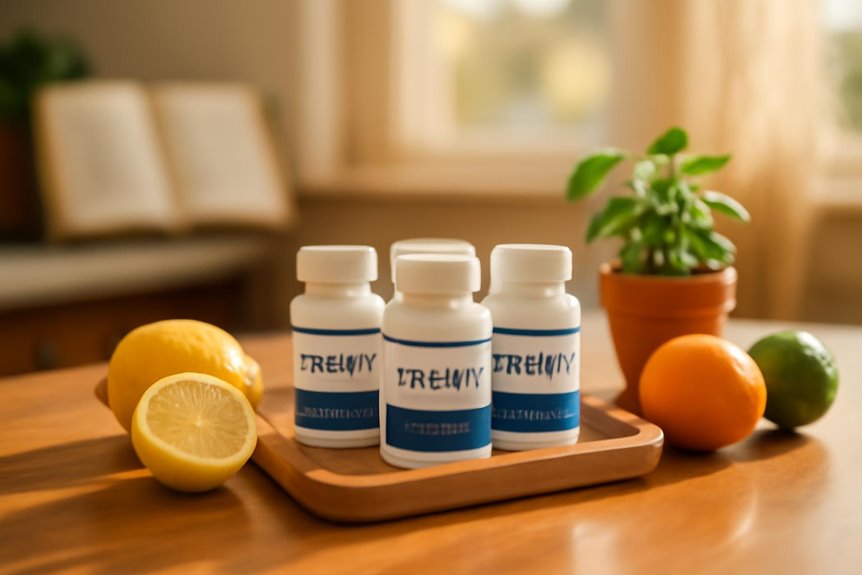
There are several factors that make ProstaX resonate with Spanish-speaking communities: it speaks to familiar health concerns, uses accessible language, and aligns with culturally trusted messaging. You’ll notice language outreach woven into every touchpoint, from bilingual resources to community events. The product speaks directly to daily realities, avoiding medical jargon and embracing plain terms that empower informed choices. Cultural relevance sits at the core: narratives, imagery, and endorsements reflect shared values, family health priorities, and locally trusted voices. You feel respected, not talked down to, as information is presented in a relatable tone. This approach builds trust, encouraging proactive conversations with clinicians and family members alike. In short, ProstaX connects through clarity, empathy, and culturally grounded communication.
The Science Behind ProstaX’s Breakthrough Formula
You’ll see how ProstaX leverages Mechanisms Of Action to support prostate health and why the Key Ingredient Synergy matters for overall effectiveness. In plain terms, these components work together to target key pathways without overwhelm, so you get focused benefits. This section starts a clear, precise look at how the formula translates science into real-world results.
Mechanisms Of Action
ProstaX works by targeting the underlying mechanisms that contribute to prostate health challenges, combining ingredients that support normal urinary function and comfort. You’ll notice how the formula modulates prostatic inflammation, supports smooth muscle relaxation, and promotes healthy urinary flow. Each component addresses a specific pathway—reducing oxidative stress, balancing hormonal signals, and maintaining cell integrity—so you can move through your day with less disruption. You’re guided by a science-informed approach that respects diverse health backgrounds and cultural perspectives. While you evaluate ProstaX, consider mechanism limitations and how individual biology may shape responses. You’ll also learn about side effect profiles, including when to pause and consult a clinician if you experience unusual symptoms. Clear expectations help you make informed, confident choices.
Key Ingredient Synergy
Could the secret to ProstaX’s effectiveness lie in how its key ingredients harmonize? You explore how ingredient synergy drives a balanced prostate-support profile. Each component targets a distinct pathway—inflammation, hormonal balance, cellular turnover—and works together to reinforce overall benefit. The formulation emphasizes harmony, not a single silver bullet, so you experience steadier results with fewer fluctuations. You’ll notice how precise ratios optimize absorption and action, reducing the need for excessive dosing. This approach respects cultural sensitivities around wellness and proactive health, delivering clear, evidence-aligned messaging. You also consider dosage considerations to maximize safety and efficacy while staying accessible. The result is a cohesive, science-informed blend designed for daily use and real-world results.
- A harmonious blend that feels purposeful, like a well-tuned instrument
- Every ingredient positioned for complementary action and timing
- Clear dosing cues that support consistent daily use
- A balance between efficacy, safety, and practicality
How ProstaX Bridges Language Barriers in Prostate Care
How does ProstaX bridge language barriers in prostate care? You’ll find the answer in practical, patient-centered design. ProstaX presents Spanish-language resources that mirror clinician conversations, helping you understand tests, symptoms, and treatment options without guesswork. By prioritizing culturally tailored communication, the program respects your background, health beliefs, and preferred terminology, so you feel heard and confident in decisions. Information is clear, plain-spoken, and jargon-free, reducing misinterpretation and delays. Multimodal materials—print, digital, and in-person support—ensure you access guidance where you’re most comfortable. This approach supports shared decision-making, empowering you to engage with care teams on your terms. In short, ProstaX translates medical complexity into accessible steps you can follow with trust.
Real Patient Stories: Impact and Outcomes in Diverse U.S. Communities

Across diverse U.S. communities, real patient stories illuminate how prostate health care works in practice, highlighting what matters most to men from different backgrounds—clear guidance, respectful communication, and timely access to testing and treatment. You’ll hear patient testimonials that describe relatable journeys, from symptom recognition to decisive care, underscoring the value of culturally attuned support and language access. This realism fuels better community outreach, guiding clinicians to tailor outreach materials and follow-up. You’ll see how trust builds when clinicians listen, explain options plainly, and respect family roles in decision‑making. Outcomes vary, but the throughline is empowerment through accessible resources, timely testing, and coordinated care that honors diverse experiences.
Empowering diverse men through clear guidance, respectful care, and timely testing.
- Personal journeys that highlight trust and clarity
- Language‑concordant resources in action
- Timely testing and coordinated follow‑up
- Empowered decision‑making through outreach
Transparency, Education, and How to Evaluate ProstaX
Transparency and solid education are fundamental as ProstaX moves toward the US market. You deserve clear facts, so you can compare options confidently and avoid transparency gaps. We’ll outline how to evaluate ProstaX using accessible education tools designed for Spanish-speaking communities and English-speaking stakeholders alike. Look for transparent labeling, sourcing, and clinical study references, all explained in plain language. Ask yourself: are benefits, risks, and costs disclosed upfront? Are there independent reviews or clinician endorsements? Use the table below to compare features side by side, then consult trusted health professionals before decisions.
| Feature | What to check |
|---|---|
| Transparency | Label clarity, sources, independence |
| Education Tools | Plain-language guides, glossary, patient FAQs |
Practical Guidance for Choosing Prostate Health Options in Spanish-Speaking Settings
In Spanish-speaking settings, prioritize Language-Accessible Resources so you can understand options clearly. Look for Doctor-Recommended Options and ask how they align with your values, symptoms, and culture. Check Local Availability Guidance to ensure the chosen approach is practical and easy to follow in your community.
Language-Accessible Resources
How can Spanish-speaking patients quickly access clear, practical guidance on prostate health options? You can rely on language-accessible resources that translate medical terms, explain options clearly, and respect cultural nuances. Choose materials that use plain Spanish, culturally resonant examples, and visuals for quick understanding. Look for trusted, bilingual health teams and community partners who can answer questions in your preferred dialect. Ensure resources include citations, reduce jargon, and offer practical steps you can take with your clinician. Prioritize content that invites discussion ideas and supports shared decision-making, not just one-size-fits-all advice. Your selection should feel actionable, nonjudgmental, and easy to navigate in real time.
- Visual guides in plain Spanish depicting clinic steps
- Bilingual hotlines and community health worker support
- Step-by-step decision aids for options
- Simple summaries with key questions for doctors
Doctor-Recommended Options
Choosing the right prostate health option can feel overwhelming, but your doctor can guide you with practical, Spanish-language recommendations tailored to your values and daily life. In consultations, expect clear explanations of options, including benefits, risks, and how each aligns with your routines. Your doctor recommended treatments emphasize evidence, personalized risk assessment, and shared decision-making, so you’re involved every step. Discuss safety considerations openly—how therapies may interact with other medications, lifestyle factors, and potential side effects on energy, sleep, or sexuality. Bring a trusted family member or caregiver if helpful; clear questions yield precise answers. If something seems unclear, ask for plain-language summaries or diagrams. You deserve options that respect your culture, health goals, and daily responsibilities.
Local Availability Guidance
When you’re navigating local options, start by confirming which prostate health products and services are available in Spanish-speaking settings near you and how they fit your daily routine. You’ll want clear availability guidance that matches your language needs, insurance, and budget, ensuring practical local access. Consider where you’ll obtain tests, consultations, and supportive resources, and how travel time affects consistency. Prioritize culturally respectful providers who offer bilingual materials and culturally appropriate education. Evaluate product labeling, dosing guidance, and follow-up options to sustain long-term care. Communicate preferences upfront to avoid delays. Accessibility, affordability, and trusted recommendations matter for everyday decisions and ongoing monitoring.
- A bilingual receptionist guiding you through steps with a calm, familiar tone
- A nearby clinic offering Spanish-language consultations and same-week appointments
- Clear bilingual brochures, phone support, and digital reminders
- Transport-friendly locations with flexible hours that fit your schedule
Common Questions
How Is Prostax Different From Other Spanish-Language Supplements?
ProstaX differs by focusing on Prostate nutrition tailored for Spanish-speaking customers and prioritizing Hispanic outreach. You’ll notice its ingredients are chosen for common dietary patterns in Hispanic communities, plus language-accessible guidance. You’re guided through culturally relevant information, not just generic claims. You’ll find clearer labeling, bilingual support, and community-focused resources that address your concerns directly, helping you make informed choices aligned with your culture and health goals.
Are There Cultural Considerations in Dosage Recommendations?
Yes, there are cultural considerations in dosage recommendations. You should account for cultural dosing differences and language accessibility when advising patients. Consider how traditional practices, caregiver roles, and health literacy affect how you communicate dosing instructions. Use plain language, visual aids, and bilingual resources to ensure clarity. Always verify understanding, offer family-inclusive explanations, and allow time for questions, so patients follow dosages safely and feel respected during treatment decisions.
What Certifications Ensure Prostax’s Safety and Quality?
You’ll want certifications like GMP, FDA facility registration, and third-party seals to ensure Prostax’s safety and quality. Look for certification examples such as ISO 9001 or NSF/ANSI standards, and verify product testing records, batch traceability, and good manufacturing practices. These quality standards show you you’re receiving consistent potency and accurate labeling. If you’re bilingual, confirm bilingual labeling and clear consumer notices to respect cultural needs and facilitate informed decisions.
How Accessible Is Prostax for Non-English-Speaking Clinics?
If you’re worried language barriers will block adoption, don’t be: Prostax is designed for non-English-speaking clinics. It’s easily integrated into existing systems, with clear multilingual labeling and documentation. You’ll prioritize clinic integration and staff training, ensuring your team understands dosing, safety, and patient guidance. The result is smooth rollout, better patient outcomes, and targeted care that respects cultural needs. You’ll gain confidence in delivering accessible, compliant prostate health support.
Can Prostax Be Covered by Spanish-Speaking Community Health Programs?
Yes, prostax can be covered by Spanish-speaking community health programs, but eligibility varies by program. You’ll need to check each local clinic’s formulary and funding guidelines, since some programs prioritize cost-effective, culturally appropriate treatments. Prepare documentation of medical necessity, insurer letters, and program intake forms. Engage navigators who understand Spanish, explain benefits clearly, and advocate for coverage; you can influence decisions by detailing patient outcomes and adherence potential.