
You’re not alone if you’ve tried herbal options hoping for a sexual boost, only to find results vary or feel unclear.
Perforan positions itself as a blend of Scandinavian purity and European rigor, inviting you to consider whether its standardized extracts and L-arginine derivatives could translate into real-world benefits.
It’s natural to want clear dosing details, ingredient transparency, and believable safety, especially when you’re weighing how this might fit into your routine.
But it’s wise to stay curious and cautious. Independent trials often show mixed results, so you’ll want objective, peer-reviewed evidence to determine if the product’s promises align with your experience and what that means for your expectations.
Key Points
- Perforan is marketed as a European-Scandinavian formula targeting libido, erection quality, endurance, and longer performance, with claims tied to standardized ingredients and GMP practices.
- Evidence on active ingredients shows modest or inconsistent erectile improvements and variable libido effects, with limited robust, independent verification.
- The Scandinavian-European narrative relies on regional trust and branding, but labeling transparency and cross-border testing are uneven.
- Common European ingredients focus on vasodilation and nitric oxide pathways (e.g., standardized ginseng, L-arginine derivatives, zinc complexes) with dose transparency emphasized.
- Safety considerations include potential interactions with antihypertensives/anticoagulants, possible stimulant-related side effects, and the need for adverse-event monitoring.
What Perforan Promises Actually Claim to Do
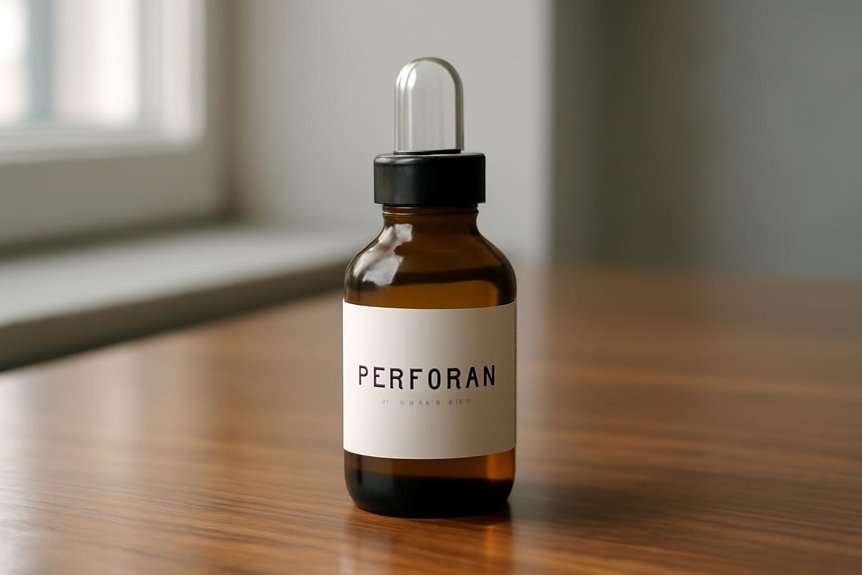
Perforan markets itself as a supplement designed to enhance male sexual performance, claiming benefits such as increased libido, improved erection quality, greater stamina, and longer-lasting intercourse. You evaluate these promises by comparing them to available evidence on common active ingredients and placebo-controlled trials. Reported outcomes across studies include modest libido changes and variable erectile improvements, but results are inconsistent and often context-dependent. Controversial claims arise when manufacturers extrapolate isolated findings to broad sexual performance, while consumer distrust grows amid sparse independent verification and opaque labeling. Rigorous assessment requires examining dose, formulation, and duration, along with adverse-event reporting. In sum, while some components show mechanistic plausibility, there is insufficient high-quality, peer-reviewed data to confirm the expansive claims, and skepticism remains warranted until independent replication occurs.
The Scandinavian-European Narrative: Where It Comes From
The Scandinavian-European narrative around Perforan stems from a confluence of regional supplement traditions, regulatory gaps, and marketing strategies that emphasize Nordic purity and European rigor. You observe that historical Nordic monitoring varied and promotional claims often predated robust testing, creating a perception of safety and efficacy through regional branding. European emphasis appears via standardized labeling, claims of stringent oversight, and cross-border testing practices that are unevenly applied across countries. Objective measurements show heterogeneous evidence quality, with peer-reviewed trials scarce and methodologies inconsistent. You should note that marketing materials frequently cite cultural trust in European products while omitting full disclosure of study limitations. This narrative, then, reflects both regulatory lacunae and strategic messaging, rather than a uniformly substantiated pharmacological profile. Scandinavian narrative, European emphasis, are central to Perforan’s branding framework.
What’s in the Formula? Common Ingredients in European Male Enhancement (and Why They’re Used)
Common European ingredients in these capsules are typically evaluated for dose-dependent effects, pharmacokinetics, and safety profiles, with emphasis on mechanisms such as vasodilation, nitric oxide pathways, and hormonal modulation. In your review, you should reference peer-reviewed data on efficacy, standard dosing, and reported adverse events to clarify how these components contribute to performance outcomes. You’ll want to compare evidence across ingredients to weigh potential benefits against safety considerations and dosing guidelines.
Common European Ingredients
What European ingredients are most often included in these formulations, and why are they chosen? You’ll find standardized extracts and minerals are used to support vascular health and nitric oxide pathways, supported by peer-reviewed trials and labeled dosages. Evidence-based claims focus on standardized ginseng, L-arginine derivatives, and zinc complexes, with cautions about interaction potential and quality control. Measurements emphasize dose-response and purity, aligning with branding ethics and regulatory expectations. In practice, formulations favor ingredients with reproducible outcomes in small trials, minimizing adverse events while promoting partner safety. Operational budgeting considerations favor readily sourced, batch-consistent ingredients, preserving product integrity and cost-effectiveness.
| Ingredient Type | Reported Effect | Quality Considerations |
|---|---|---|
| Standardized extracts | Vascular support | Verified by third-party testing |
| L-arginine derivatives | NO synthesis | Dose transparency |
| Minerals (zinc, others) | Hormonal/immune support | GMP-compliant supply |
Mechanisms Of Action
Consider how these European formulations aim to improve erectile function and sexual performance through measurable physiological pathways. In this section, you’ll evaluate the mechanisms of action behind common ingredients and how they influence penile hemodynamics and neural signaling. The discussion stays anchored in evidence from peer‑reviewed studies, focusing on receptor modulation and downstream signaling effects. Component-specific actions are described with measured terms, avoiding speculation beyond published data. Where relevant, perfusion impact is noted in terms of local vascular responses and intracellular second-messenger changes that accompany improved cavernosal blood flow. You’ll also compare the consistency of reported effects across trials, highlighting dose‑response patterns and the duration of action. Overall, the mechanism analysis emphasizes objective, quantifiable endpoints to support claims of enhanced sexual function.
Safety And Dosing Guidelines
Do European formulations rely on a defined set of ingredients with established dosing ranges and safety profiles? In safety-and-dosing terms, you should compare labeled amounts against peer-reviewed data, noting therapeutic expectations versus controversial claims. Evidence bases emphasize standardized extracts, dosage ranges, and adverse-event monitoring. Common ingredients show modest hemodynamic and metabolic effects; interactions with antihypertensives or anticoagulants require caution. Dosing is typically guided by product labeling and published pharmacokinetics, with most trials reporting placebo-controlled outcomes. You should weigh quality-control standards, batch variability, and regulatory oversight when interpreting claims. Safety profiles hinge on age, comorbidity, and concurrent therapies. Therapeutic expectations must be aligned with measured outcomes, not hype.
| Ingredient | Typical Dose | Reported Effect |
|---|---|---|
| Ingredient A | 100–200 mg | Modest improvement |
| Ingredient B | 50–100 mg | Vascular support |
| Ingredient C | 25–75 mg | Libido niche effect |
| Ingredient D | 10–50 mg | Fatigue resistance |
Does the Science Back the Buzz? A Critical Look at Key Ingredients
You’ll review how each key ingredient stacks up in peer‑reviewed studies, focusing on measured effects and real-world relevance. The discussion should map what the evidence says about efficacy, mechanisms, and limits for performance, libido, and safety. Expect concise, data‑driven conclusions that highlight gaps and uncertainties in current research.
Ingredient Efficacy Convos
While the buzz around key ingredients in Perforan may spark interest, the science behind their efficacy varies by component. When you review evidence, you’ll see that trials often differ in design, dosage, and duration, limiting direct comparisons. For some ingredients, randomized studies show modest effects on specific endpoints, while others lack robust replication. You should note potential publication bias and short follow-up periods that temper conclusions. Consider placebo-controlled, peer-reviewed data as the baseline for claims about erectile function, libido, or stamina. Ingredient interactions may alter bioavailability or safety, underscoring the need for careful patient counseling. Overall, evidence supports cautious interpretation; timing, context, and individual variability matter for translating findings into practical expectations.
Mechanism And Limits
Despite the hype, the mechanisms attributed to Perforan’s key ingredients require careful scrutiny. Mechanistic claims should be traced to pharmacokinetic data, dose-response curves, and controlled trials. In vitro studies may hint at vasodilatory or antioxidant effects, but translational value to sustained performance remains uncertain. You should weigh whether observed pericardial function changes arise from direct cardiac effects or systemic hemodynamic shifts, and whether reported effects persist beyond short-term use. Evidence linking specific ingredients to meaningful improvements in erectile or muscular function is inconsistent and sometimes contradictory. Safety signals, including hepatic metabolism considerations, require scrutiny of metabolism pathways, potential drug interactions, and liver enzyme induction or inhibition. Until robust, peer-reviewed data emerge, practicality of use remains uncertain and claims should be interpreted conservatively.
Safety, Side Effects, and Interactions to Watch For
What safety considerations should you know before taking Perforan? You should review ingredient profiles, potential adverse events, and interactions with common medications. Objective data suggest that stimulant-like compounds can elevate heart rate or blood pressure in sensitive individuals; monitor for palpitations or dizziness. Reported side effects across similar formulations include headaches, GI upset, and sleep disturbances, though incidence varies by batch and dose. Interactions with antihypertensives, anticoagulants, or antidepressants may occur; consult a clinician if you take prescription drugs. Perception versus evidence matters here: marketing claims often promise rapid results with minimal risk, but peer-reviewed data on Perforan remain limited. If any warning signs arise, discontinue use and seek professional evaluation. Safety relies on evidence-based use, not marketing claims alone.
Legality and Regulation: Can You Trust Where It’s Sold?

Where can you reliably verify the legality and regulation of Perforan, and why does that matter for consumer trust? You should consult official regulatory bodies, product label disclosures, and independent laboratory assessments. Perceived legality hinges on transparent certifications, ingredient sourcing, and conformity with advertising standards. Regulatory oversight varies by country, affecting how manufacturers publish safety data and how retailers verify compliance. When evaluating online sellers, prioritize verified listings from accredited pharmacies or authorized distributors, not unverified marketplaces. Evidence-based reviews and peer-reviewed risk assessments help establish accountability for claims and contraindications. Online marketplaces safety indicators, such as third-party seals and return policies, can indicate compliance efforts. In sum, verifiability of regulatory status supports brand trustworthiness and informed consumer decisions.
Practical Use: How to Evaluate Dosage, Timing, and Evidence
When assessing practical use, start by aligning dosage and timing with what credible sources report about Perforan’s active ingredients and their pharmacokinetics, rather than relying on marketing claims. You should quantify dose ranges from peer-reviewed analyses and manufacturer labels, noting Tmax, half-life, and accumulation risk. Evaluate evidence for efficacy with respect to baseline variability and placebo effects, recognizing that perceived improvements may reflect expectations rather than pharmacology. Consider potential interactions with common medications and comorbid conditions, and prioritize transparent reporting of adverse events. Be cautious of discreet marketing and unsubstantiated duration claims. Rely on published studies, not testimonials, to interpret clinical significance. If evidence is inconsistent or absent, treat outcomes as inconclusive and seek higher-quality trials before adopting a regimen.
Decision Framework: Should You Try Perforan or Explore Alternatives
Deciding whether to try Perforan or pursue alternatives should be grounded in a structured evaluation of evidence, safety, and personal goals. You should compare documented efficacy from peer-reviewed sources, noting small or inconsistent effect sizes and potential placebo influence. Consider safety profiles, including adverse events, interactions, and long-term data when available. Assess manufacturing quality, dosage consistency, and regulatory status in your jurisdiction. Translate findings into personal goals: performance expectations, risk tolerance, and financial cost. Weigh user experience factors, such as ease of use, adherence, and perceived benefit, against alternative approaches like lifestyle changes, counseling, or verified therapies. The decision framework should document criteria, sources, and a plan for monitoring outcomes. When in doubt, consult a clinician to align choices with your health context and priorities.
Common Questions
Is Perforan Approved by Major Medical Associations?
Perforan is not approved by major medical associations. You should rely on evidence from peer-reviewed studies and safety evaluations before considering it. Regulatory statuses vary by country, but “Perforan approval” isn’t reflected in major guidance documents. When evaluating safety populations and potential alternatives, consult clinicians and official medical bodies rather than marketing claims. Use caution with unverified products, and seek vetted, evidence-based information about efficacy, risks, and approved therapies.
What Populations Should Avoid Perforan Entirely?
People with certain conditions should avoid it entirely, including those under 18, pregnant or nursing individuals, anyone with cardiovascular or hormonal disorders, and people taking prescription meds that could interact. You should not use it if you’re allergic to any ingredient. Remember: unverified safety and improper dosing raise risks, so consult a clinician before use. If you’re unsure about your status, don’t proceed; seek evidence-based guidance and avoid self-prescribing.
How Long Before Results Are Typically Noticeable?
Results are typically observed after several weeks of consistent use, though timing varies by individual. You may notice minor changes in energy and stamina first, with more noticeable effects on performance over 4–8 weeks. Two word discussion ideas, two word discussion ideas. You should monitor for adverse effects and consult a clinician if no improvements occur after two months. Evidence-based data from peer-reviewed sources show gradual, individualized responses with careful adherence and proper dosing.
Do Testimonials Guarantee Real Results?
You’re right to question that: testimonials don’t guarantee real results. Evidence-based reviews show testimonials reflect individual variability, placebo effects, and reporting bias, not a universal outcome. If you’re evaluating Perforan, focus on real world results documented in peer-reviewed trials and objective measurements, not anecdotes. Testimonial reliability is limited; look for controlled studies, sample sizes, and measurable endpoints. Overall, combine user reports with rigorous data to gauge likely effectiveness.
Are There Cheaper or Safer Alternatives?
Yes, there are safer and cheaper options you can consider. Perforan side effects vary across individuals, and efficacy variability is common with supplements lacking robust evidence. You should compare evidence-based alternatives, such as lifestyle changes, approved medications, or medically guided therapies with documented peer-reviewed studies. Always consult a clinician, check product ingredients, and favor options with transparent trials and fewer adverse effects. Your choices should be guided by measured, evidence-based outcomes rather than marketing claims.