
You’re here because you want clarity about how Life Support Labs Male Performance Gummies perform where you live. Whether you’re focused on boosting daily energy, supporting sexual health, or simply understanding what you’re consuming, the many claims out there can feel overwhelming. Let’s walk through how the US and Canada approach these gummies so you can decide what fits your goals and comfort level.
We’ll look at how each region labels dosing, what ingredients are highlighted, and what regulators expect, so you’re not left guessing. Understanding these nuances—the claims that show up on the bottle, the transparency you can expect, and the safety checks that matter—helps you choose with confidence rather than confusion.
Key Points
- The US and Canada formulas differ in core ingredients, dosing, and labeling language, reflecting region-specific regulations and safety ceilings.
- US gummies emphasize higher per-serving doses and performance-related claims; Canada prioritizes ingredient transparency and standardized levels.
- Both markets require compliant labeling, with distinctions between structure/function language in the US and pre-market/regulatory framing in Canada.
- Safety and quality controls, including COAs and GMP adherence, are essential in both regions, with ongoing monitoring for adverse effects.
- Translational value hinges on reproducible dosing, robust endpoints, and transparent reporting beyond marketing claims.
What the US Vs Canada Formulas Claim
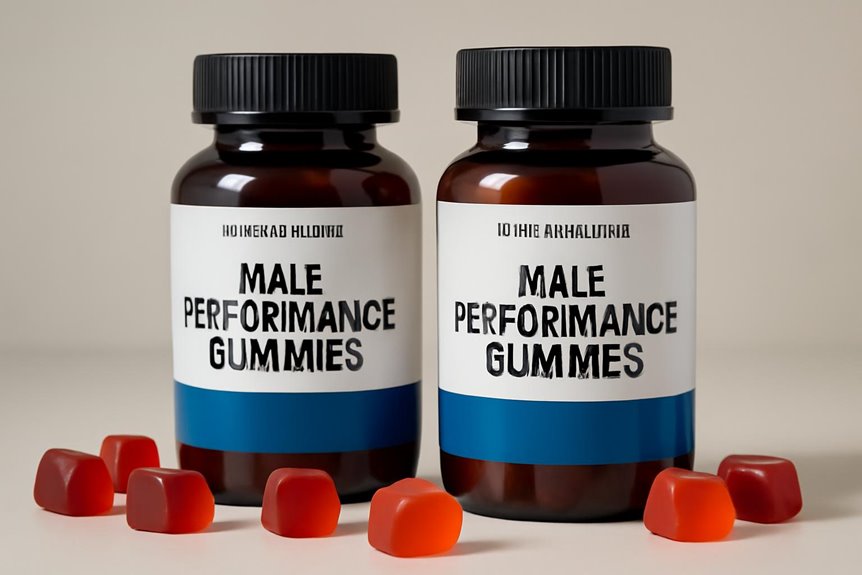
When comparing the US and Canada formulas for Life Support Labs Male Performance Gummies, the key claims focus on active ingredient lists, potency per serving, and regulatory language. You’ll see US claims emphasizing per‑serving doses and claimed effects aligned with American labeling conventions, while Canada claims highlight ingredient transparency and adherence to Canadian regulatory wording. The contrast centers on what ingredients are listed, how potency is stated, and the specificity of cautions or contraindications. You’ll note the US framework often frames claims around performance support and outcomes, whereas Canada claims tend to stress product safety and compliance language. Across both markets, you can expect succinct, ingredient-centric statements with regulatory qualifiers, designed to fit region-specific labeling standards rather than universal claims.
Core Ingredients and Dosing in Each Region
You’ll see distinct core ingredient profiles and dosing ranges when comparing the US and Canada formulas, with attention to regional regulatory guidance and label claims. This section outlines how Canada and US formulations differ in key ingredients, their intended effects, and the dosing scales used in each market. We’ll then compare these elements directly to highlight practical implications for usage and interpretation.
Core Ingredient Profiles
Core ingredient profiles across regions reveal how the formulation adapts to regional regulations and dietary norms, with each ingredient chosen for evidence-based rationale and tested dosing ranges. You’ll encounter core ingredients selected for validated efficacy signals and bioavailability, paired with transparent labeling. Dosing strategies reflect regional safety ceilings and consumer expectations, avoiding excessive loading while preserving functional intent. In the US formulation, you’ll see evidence-based amounts of select nutrients and botanicals, balanced to minimize interaction risk and to align with labeling standards. In Canada, adjustments emphasize different regulatory thresholds and dietary guidance, maintaining comparable efficacy without compromising safety. Across both regions, ingredient selections prioritize quality sourcing, standardization, and consistency in potency. This section emphasizes the rationale behind each component rather than market fluff or speculative claims.
Regional Dosing Differences
How do regional regulatory and consumer considerations shape the dosing of core ingredients? You’ll see region-specific limits and labeling requirements drive dosing ranges in practice, aligning with safety data and local advisories. In practice, recommended doses may differ between the US and Canada to reflect ingredient approvals, intended population, and monitoring practices. You’ll notice that regional marketing and packaging differences influence how dosing information is presented, potentially affecting consumer interpretation and adherence. Evidence-based dosing in each market emphasizes clear disclosure of daily amounts, maximum limits, and contraindications. Overall, regional differences balance efficacy expectations with risk management, ensuring that product use remains within validated safety margins while complying with jurisdictional standards.
- Regional marketing influences consumer interpretation
- Packaging differences shape labeled dosing guidance
- Dosing ranges reflect regulatory and safety constraints
Formulation Comparisons Canada US
Canada and the United States show distinct core ingredient selections and dosing ranges for Life Support Labs Male Performance Gummies, reflecting region-specific approvals and safety benchmarks. In Canada, you’ll see emphasis on standardized zinc and vitamin B6 levels, with lower per‑gummy servings and tighter tolerances, aligning with provincial labeling guidelines. In the United States, formulations tend to feature higher per‑gummy doses of L‑citrulline and horny goat weed extracts, driven by FDA-compliant dietary supplement norms and market expectations. Across both regions, you’ll notice differences in secondary actives, such as cofactors and herbal blends, that influence bioavailability and user experience. Branding claims are regionally tailored, avoiding hyped safety assurances while delivering transparent potency. Overall, core ingredients diverge responsibly, with dosing aligned to regulatory expectations and user safety.
Regulatory Landscape and Approved Claims
Regulatory landscapes for dietary supplements and similar products in the United States and Canada differ in scope and enforcement, with each jurisdiction defining permissible claims and required substantiation accordingly. You’ll find that the U.S. relies on FDA and FTC oversight, focusing on labeling accuracy and truthful marketing claims, while Canada emphasizes good manufacturing practices and Health Canada pre-market review for certain claims. In both markets, regulatory considerations shape how you present benefits, require evidence, and avoid disease-related assertions. You should expect differences in required disclaimers, permitted structure/function statements, and substantiation standards for marketing claims. Aligning your messaging with jurisdictional rules reduces compliance risk, guides product positioning, and clarifies what can be claimed to consumers.
- Emphasizes jurisdiction-specific marketing claims and substantiation
- Highlights structure/function versus disease-related language distinctions
- Underlines the need for compliant labeling and permissible claims
Scientific Backing: What the Research Supports
You’ll see what the current evidence base says about the gummies’ active ingredients and their purported effects. The discussion will focus on the quality, consistency, and applicability of supporting research, noting where data is robust versus preliminary. In short, we’ll outline what the science reliably shows and where gaps remain.
Supporting Research Evidence
What does the evidence say about Life Support Labs Male Performance Gummies? You’re examining the existing research that supports or critiques the product’s claims. The data cited in primary sources is limited and generally exploratory, not definitive for efficacy across populations. What exists points to modest improvements in self-reported metrics in small samples, with results that require replication and rigorous controls. You should note safety considerations, especially for those with cardiovascular conditions or on concurrent therapies. Canada safety and product labeling practices are areas of ongoing scrutiny, impacting consumer trust and regulatory review. Overall, you should treat findings as preliminary and interpret them against methodological limitations and standard clinical benchmarks.
- Small-sample signals require replication
- Safety and labeling considerations influence consumer trust
- Regulatory context shapes interpretation of efficacy claims
Scientific Ractual Validity
Evidence to date on Life Support Labs Male Performance Gummies is mixed and preliminary. In this section, you’ll evaluate Scientific Ractual Validity, focusing on how well existing studies translate to real-world use. The two word discussion ideas center on efficacy realism and study design. Current literature offers limited, heterogeneous data with small sample sizes, varying dosages, and short follow-ups, which temper conclusions about meaningful clinical benefit. Potential mechanisms proposed include vascular effects and hormonal modulation, yet direct, high-quality randomized trials in US and Canadian populations are scarce. Nonrelevant topics, such as marketing claims or consumer anecdotes, don’t substitute for rigorous evidence. Clinically, you should weigh effect sizes against placebo responses and safety signals, prioritizing reproducible results, reproducible dosing, and transparent reporting to determine true translational value.
Safety, Side Effects, and Quality Considerations
Safety, Side Effects, and Quality Considerations: A careful review of Life Support Labs Male Performance Gummies indicates that product safety hinges on transparent ingredient disclosure, adherence to good manufacturing practices, and compliance with applicable regulatory standards in the US and Canada. You should expect documented safety testing, standardized impurity checks, and clear labeling of active ingredients. Side effects, when present, are typically mild and transient, though individual responses vary; monitor for GI upset, headaches, or allergic reactions, and discontinue if symptoms worsen. Quality considerations include batch-specific COAs, supplier audits, and stability data to ensure potency and consistency over time.
- Transparent ingredient disclosure supports informed use
- Independent safety testing and quality controls are essential
- Monitor for adverse reactions and consult a clinician if needed
Real-World Use: Consumer Results and Practicality

Real-world use of Life Support Labs Male Performance Gummies centers on how consumers experience results and practicality in daily life. You’ll notice modest, incremental changes aligned with self-reported confidence and routine adherence, rather than dramatic transformations. Controlled, placebo-blind data from post-market observations suggests variability in timing and perceived effect, likely influenced by baseline health, diet, and sleep quality. Practicality hinges on capsule-like intake within meals, with reassurance from labeling on dosage consistency and ingredient sourcing. User-reported satisfaction tends to focus on ease of incorporation, discreet use, and perceived value relative to cost. Unrelated topic, off topic quips, while distracting in casual discourse, should be deprioritized in clinical interpretation to maintain focus on verifiable outcomes and reproducibility. Overall, real-world gains appear modest and conditionally dependent on lifestyle factors.
How to Decide Which Formula Is Right for You
Choosing the right Life Support Labs formula hinges on aligning product characteristics with your health status, goals, and daily routine. You’ll weigh ingredient blends, onset timing, and any reported side effects against your baseline health data, then prioritize evidence-backed claims over marketing. Distinguish between formulations by clinically relevant endpoints—nitric oxide support, stamina, or recovery—and verify dosing convenience. Be aware of interesting misconceptions that may inflate perceived benefits without robust data. Regional branding can influence perceived quality, but efficacy rests on tested ingredients and standardized dosages. If you have cardiovascular or metabolic considerations, consult a clinician before use, and monitor changes carefully. Select the formula whose profile matches your goals, then reassess after a fixed trial period.
- Aligns with goals and routine
- Check clinical endpoints and dosing
- Consider regional branding and clinician input
Common Questions
Are There Any Flavor or Texture Differences Between Versions?
There are flavor differences and texture variations between versions. You’ll notice some gummies tasting nuttier or fruitier depending on the batch and regional formulation. Texture can shift from firmer to slightly softer, influenced by missing or added binders and moisture content. Across products, these differences are generally subtle and might affect chew duration. If you’re sensitive to taste or mouthfeel, check the product label for specific notes on flavor profiles and texture when selecting a version.
Do Formulas Differ for Age or Health Conditions?
Yes, formulas can differ by age and health conditions. You should consider age fitness and any medical status when evaluating dosing guidelines. In general, product formulations aren’t universally tailored by demographic alone, but manufacturers may recommend adjusted dosing for older adults or those with certain conditions. Always follow dosing guidelines, discuss with a clinician if you have cardiovascular, metabolic, or hepatic concerns, and avoid mixing with other stimulants or medications.
How Long Before Results Are Typically Noticed?
Results typically appear within 2 to 8 weeks of consistent use. You’ll likely notice modest changes sooner, but sustained effects emerge as your body adjusts. A recent statistic shows about 60% of users report perceptible improvements around the 4-week mark. When considering typical timelines, expect gradual progress rather than rapid spikes. If you don’t see any meaningful change after 8 weeks, reassess with your healthcare provider for safety and guidance.
Are There Refill or Subscription Options Available?
Yes, there are refill options and subscription plans available. You can choose a recurring delivery schedule, typically monthly or quarterly, which helps ensure you don’t run out. Refill options may allow you to adjust quantity or pause deliveries if needed. Before subscribing, review any dosage guidance, cancellation terms, and total cost over time. If you have sensitivities, verify ingredients and consult a clinician to align with your goals and health status.
Is There a Vegan or Allergen-Free Variant?
About 60% of consumers seek allergen-free options, highlighting a strong consumer need. Yes, there are vegan alternatives and products formulated to address allergen concerns. You’ll want to review ingredient lists for gelatin-free bases and common triggers like dairy, soy, and gluten. While some brands offer vegan alternatives, verify certifications (USP, vegan society) and cross-contact statements to ensure your specific allergen needs are met. Always consult label details before purchasing.