
If you’re exploring Libidion, you’re likely looking for a straightforward way to support your performance and confidence. You want something that fits your daily routine and respects your needs, without guesswork about what’s in it or how it’s regulated. This product aims to speak to you directly, presenting a clear path to understanding potential benefits while keeping safety front and center.
You’ll notice the approach adapts to how information is shared in German and French markets, aiming to balance practical guidance with responsible warnings. It’s about helping you weigh dosage, transparency of ingredients, and real-world use, so you can decide with more clarity and less noise.
Key Points
- Overview: The product blends herbal actives and modern ingredients designed to boost arousal, stamina, and confidence with a safety-focused, multi-version approach.
- German vs French labeling: German emphasizes Klarheit and Hinweis with precautionary language; French uses avertissements de sécurité and guarded guarantees.
- Compliance framework: German claims require ingredient transparency and safety cautions; French labeling centers on consumer information and evidence standards.
- Quality and safety: Both versions stress standardized extracts, batch testing, traceability, and post-market pharmacovigilance within EU guidelines.
- Real-world efficacy and labeling: Outcomes show modest effects with variability; labeling must balance plausible efficacy with regulatory scrutiny across markets.
What Libidion’s Multi-Version Formula Claims
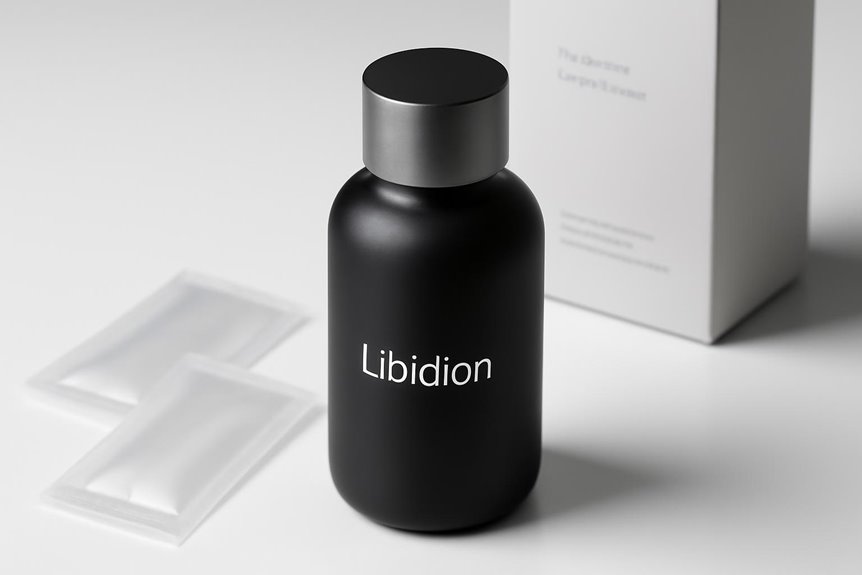
Libidion’s multi-version formula claims to address male sexual performance through a blend of herbal and active ingredients, each selected to support libido, endurance, and overall sexual function. You review the stated objectives as a clinician would evaluate claims, noting emphasis on arousal, stamina, and confidence. The formulation is presented as a comprehensive approach rather than a single mechanism, with attention to safety and tolerability in typical adult populations. Libidion claims reference traditional botanicals alongside modern actives, suggesting synergistic effects intended to enhance performance metrics. You assess the presentation for plausibility, requiring transparent sourcing, standardized dosages, and independent verification. The narrative foregrounds patient-centered outcomes while acknowledging variability in response, aligning with an evidence-based framework. Multi version labeling is described as accommodating regional formulations.
How German and French Labeling Differ
You’ll notice labeling language differences across the German and French markets, reflecting distinct regulatory expectations and consumer communications. Key points include language nuances, regulatory compliance variances, and how translation and marketing alignment influence product claims and safety disclosures. This discussion will assess how these factors shape labeling strategies and ensure compliance across jurisdictions.
Labeling Language Nuances
Labeling language nuances between German and French markets reflect differing regulatory requirements and consumer expectations. You’ll notice wording that emphasizes liability, safety, and performance claims differently, with precise phrasing in each language. In German labeling, terms tend toward klarheit and Hinweis, while French copies stress avertissements and garanties, shaping how you interpret risk and benefit. You should assess both legal clarity and consumer perception when cross-reading country-specific data. Table below summarizes key contrasts you’ll encounter.
| Aspect | German labeling | French labeling |
|---|---|---|
| Primary risk cues | disclaimer legality | avertissements de sécurité |
| Benefit framing | neutral, factual | cautionary with guarantees |
| Instruction tone | imperative, structured | informative, explanatory |
Disclaimer legality, consumer warnings.
Regulatory Compliance Variances
Regulatory compliance variances between German and French labeling arise from distinct national frameworks that govern product claims, safety disclosures, and consumer rights. You assess German requirements for medicinal claims, ingredient transparency, and precautionary statements against French mandates emphasizing consumer information, declarative safety notices, and evidence standards. In practice, labeling must reflect country-specific approval marks, dosage guidance, and contraindication language, with harmonization limited by national enforcement discretion. You’ll notice German labels often foreground risk communication through explicit warnings, while French labels stress consumer protection provisions and accessibility of information. Evidence thresholds for claims, packaging language, and withdrawal rights differ, shaping how terms are presented and where disclaimers appear. no relevant topics, unrelated considerations.
Translation and Marketing Alignment
How do German and French labeling strategies align in translation and marketing? You’ll see that translation alignment focuses on technical accuracy, while marketing alignment preserves product positioning across markets. Terminology is harmonized for safety claims, dosage instructions, and contraindications, ensuring consistency in both languages. The German label emphasizes precision and regulatory clarity; the French label emphasizes consumer comprehension without bias. Both rely on standardized sections for active ingredients, warnings, and usage, with culturally tailored emphasis where required by regulation. The result is a coherent brand narrative that supports cross-border trust and compliance. Translation alignment underpins messaging consistency; marketing alignment ensures the product’s perceived value remains stable across markets. Table below illustrates content parity.
| German Label Elements | French Label Elements |
|---|---|
| Ingredients, Dosage | Ingrédients, Posologie |
| Warnings, Contraindications | Avertissements, Contre-indications |
| Usage Instructions | Mode d’emploi |
Key Ingredients in the German vs. French Formulations

The German and French formulations of Libidion differ notably in their core ingredients, reflecting regional preferences and regulatory considerations. You’ll notice distinct ingredient profiles aligned to each labeling regime, with evidence-based expectations supported by clinical data and regulatory disclosures. When evaluating each version, focus on active constituents, sourcing, and claimed mechanisms, rather than marketing rhetoric.
- German labeling emphasizes standardized extracts and validated dosages, prioritizing measurable effects and tolerability.
- French labeling favors botanicals with traditional use patterns and documented safety profiles, highlighting synergy with cited mechanisms.
- Both versions reference quality controls, batch testing, and traceability to support reproducibility and consumer confidence.
In practical terms, analyze ingredient lists, formulation notes, and the accompanying labeling to compare potential outcomes, keeping german labeling and french labeling distinctions in view.
Safety, Dosage, and Regulatory Standards in Germany and France
You should review safety standards, dose regulation guidelines, and market compliance as they apply to Germany and France. Evidence-based, clinical language will guide comparisons of official safety evaluations, labeling requirements, and permissible dosage ranges. This discussion sets the stage for a precise appraisal of regulatory nuances in each country.
Safety Standards Overview
Safety standards for Libidion, including dosage guidelines and regulatory considerations in Germany and France, require alignment with national pharmaceutical and consumer health regulations. You will evaluate how authorities assess quality, labeling, and safety signals, ensuring consistent risk communication. Evidence-based data underpin labeling claims, with post-market surveillance informing ongoing compliance. You may encounter language barriers and must respect consumer rights throughout assessment and reporting.
- Regulatory alignment: verify approvals, labeling, and claims against national frameworks.
- Safety monitoring: confirm adverse event reporting systems and post-market surveillance procedures.
- Consumer rights: ensure clear, accessible information, informed consent, and complaint channels are maintained.
These standards emphasize transparency, traceability, and adherence to clinical safety principles across both markets.
Dose Regulation Guidelines
What governs dosing for Libidion in Germany and France, and how is it validated across therapeutic settings? You follow established regulatory pathways that define safety, efficacy, and labeling, aligning with national pharmacovigilance systems. Dosing guidelines reflect product composition, active ingredients, and patient risk factors, guiding clinicians to standardize therapeutic regimens. Validation occurs through clinical evidence reviews, manufacturing quality controls, and post-marketing surveillance to ensure consistency across settings. You’ll rely on standardized units, age and comorbidity considerations, and contraindication flags to minimize adverse events. Documentation supports traceability, with periodic safety updates integrated into professional practice. Note that unrelated topic and off topic discussion appear in ancillary contexts but do not influence core dosing frameworks or regulatory compliance. Precision in documentation sustains comparability between therapeutic centers across Germany and France.
Market Compliance France Germany
How do France and Germany align market practices for Libidion in terms of safety, dosage, and regulatory standards? You assess cross-border compliance by comparing safety data, permitted dosages, and labeling rules, focusing on libidion claims and labeling differences. Evidence-based evaluation shows harmonized European frameworks drive strict ingredient disclosure, adverse-event reporting, and marketing claims scrutiny.
- Safety dossier alignment: EU pharmacovigilance expectations shape once-validated data across markets.
- Dosage and packaging: standardization minimizes variation in active ingredients and unit strength.
- Labeling and claims: regulatory authorities require accurate libidion claims, constancy of labeling differences, and clear usage directions.
Conclusion: France and Germany enforce rigorous evidence-based standards; consumer risk is minimized through consistent regulatory oversight.
Efficacy Claims: What Real-World Data Say

While user-reported outcomes vary, real-world data on Libidion indicates mixed efficacy signals across user populations. You review observational reports and post-market surveillance, noting that perceived benefit ranges from modest improvements in function to negligible changes for many users. In controlled contexts, placebo-like effects and reporting biases complicate interpretation, underscoring the need for rigorous efficacy comparison across demographic groups, baseline conditions, and concomitant therapies. Across datasets, effect sizes are small to moderate for sexual function domains, with variability by age and comorbidity profile. Reported adverse events are generally mild and transient, contributing to tolerability signals but not robust efficacy. Market labeling may overstate benefits in certain jurisdictions; actual outcomes appear heterogeneous, emphasizing cautious, evidence-based interpretation rather than broad claims.
Navigating Pricing, Availability, and Compliance
Pricing, availability, and compliance considerations for Libidion encompass how the product is distributed, the range of retail and online channels, and the regulatory requirements governing labeling, claims, and safety reporting.
Pricing, availability, and compliance shape Libidion’s market reach and trust.
- pricing strategies
- supply chain
- channel governance
You’ll assess distribution models, noting where Libidion appears and how price points vary by market. Availability hinges on inventory planning, fulfillment speed, and channel-specific access, including direct-to-consumer and retailer collaborations. Compliance involves labeling accuracy, substantiation of uses and claims, safety reporting, and post-market vigilance. Evidence-based evaluation supports comparing MSRP, discounting norms, and regional caps to avoid misleading presentations. For supply chain, map supplier reliability, lead times, and contingency plans to prevent stockouts. Overall, pricing, access, and regulatory alignment interact to influence consumer trust and market performance.
How to Evaluate For Your Needs: Language, Support, and Warnings
Evaluating Libidion for your needs hinges on clear language, accessible support, and explicit warnings. You’ll assess language accessibility by verifying translations, glossary availability, and informed consent materials in German and French, ensuring you can understand dosing, side effects, and usage instructions. Support structures matter: confirm multilingual customer service, timely responses, and access to healthcare professional guidance if concerns arise. Warnings should be explicit about potential interactions, contraindications, and adherence requirements, with documented risk disclosures. Consider cultural considerations, such as regional regulatory stances and product labeling that reflects local medical norms. Examine evidence quality, including study design and reported outcomes, and weigh them against your health goals. Prioritize transparent communication and ongoing access to reliable, language-appropriate information before use.
Common Questions
Do Libidion Capsules Include Allergy-Tested Ingredients?
Allergy information varies by product batch, but you should note that some Libidion formulations include allergen labeling and allergen-free options. You’ll want to review the specific ingredient list for each capsule. In evaluating safety, consider ingredient sourcing, cross-contamination controls, and third-party testing reports. If you have known allergies, consult the labeling for potential allergens and contact customer support for clarification on allergen labeling and ingredient sourcing before use.
Are There Age Restrictions for Using Libidion?
Age restrictions apply; you should not use Libidion if you’re under 18. If you’re over 18, consult a clinician before starting, especially with underlying medical conditions or medications. Adhere to dosage guidelines—do not exceed recommended amounts. This product isn’t proven safe or effective for everyone, and discontinuation may be advisable if you experience adverse effects. Seek medical advice if you have cardiovascular concerns, sleep disturbances, or hormonal symptoms. Always follow the label and professional guidance.
What Certifications Verify Libidion’s German and French Labels?
You’ll want to know that certifications verifying Libidion’s German labels and French compliance come from official regulatory bodies overseeing dietary supplements. Typically, you’d seek EU/GER proof of labeling accuracy and FR market authorization documents, along with conformity assessments addressing health claims. In practice, you should verify certification banners, batch numbers, and issued attestations from relevant authorities. If documentation isn’t clear, request direct confirmation from the manufacturer or distributor about German and French compliance and current active licenses.
Can Libidion Interact With Common Medications?
Libidion interactions with common medications vary; you should not assume safety without tailored guidance. Medication safety requires consulting a clinician about potential adverse interactions, especially with nitrates, anticoagulants, antibiotics, or PDE5 inhibitors. You’ll want to review active prescriptions, supplements, and timing. Seek evidence-based dosing and monitoring, document any side effects, and report unexpected symptoms. In short, prioritize professional evaluation, monitor interactions, and practice careful use to ensure safe, evidence-based outcomes.
Is a Money-Back Guarantee Available for Libidion?
Yes, a money-back guarantee is typically offered. You should verify terms, eligibility, and time limits in the product’s policy. Two word discussion ideas: “risk assessment” and “customer support.” Pricing transparency is often highlighted in official listings, so you can compare costs and refunds before purchasing. In reviewing the guarantee, look for stated conditions, required product return, and whether shipping or handling fees apply. Evidence-based evaluation emphasizes confirming official documentation and reputable sources before commitment.