
Booster Brew is designed to support performance across multiple markets, but you might be wondering if a single formula can really meet diverse needs. You want something dependable that’s easy to understand, yet also feels tailored to you. This product stacks a core set of active ingredients that aims to work consistently, while the local teams adjust dosing, safety notes, and labeling to fit regional standards.
You’ll also notice region-specific messaging and stronger distribution in some places, plus ongoing feedback loops to help track how things are going. The question is: do these localized tweaks affect how well it works for you and your day-to-day experience across all five markets?
Key Points
- Booster Brew is tailored for five regional markets with branding, formulation, and regulatory practices aligned to local conditions.
- Core efficacy remains supported by evidence while regional customization addresses dosage, safety, and messaging per market.
- Ingredient sourcing is transparent with supplier standards and rigorous quality controls across all five markets.
- Regulatory labeling, allergen declarations, and permissible claims follow each market’s standards and documentation requirements.
- Regional demand, adoption, and outcomes vary by market, influenced by distribution strength, cultural trends, and baseline health.
How Booster Brew Works Across Markets
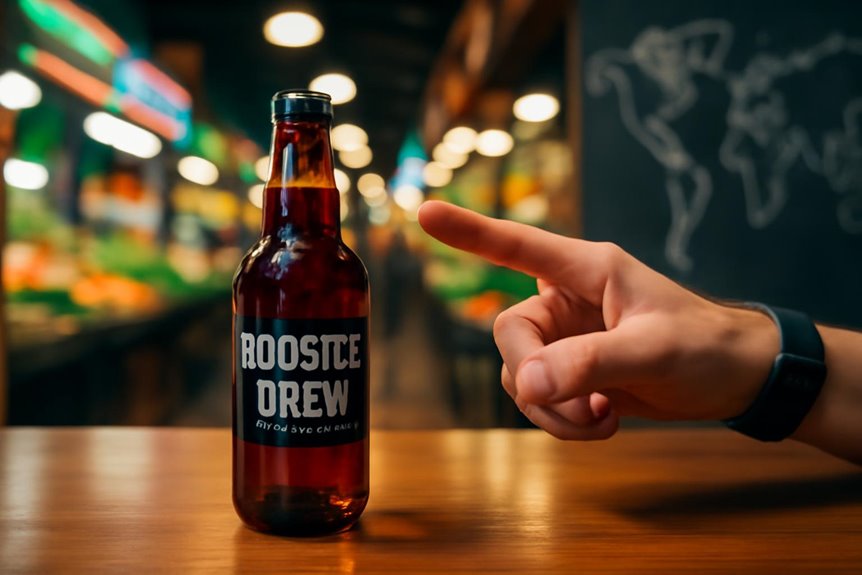
Booster Brew operates differently across markets by aligning its branding, formulation, and regulatory compliance with local conditions. You’ll see that product positioning and messaging adapt to regional consumer preferences while maintaining core efficacy claims supported by evidence. Across markets, idea one centers on ingredient sourcing transparency, with documented supplier standards and quality controls that verify authenticity and batch consistency. You’ll also notice idea two focusing on dosage frameworks tailored to regional guidelines, ensuring safety profiles align with local regulatory expectations without altering the underlying active mechanisms. From a user perspective, the science remains consistent: standardized active ingredients, controlled manufacturing, and rigorous quality assurance. This approach supports comparable performance signals while respecting jurisdictional requirements, enabling cross-border availability without compromising measured, evidence-based claims.
Regulatory Landscape by Market
Navigating the regulatory landscape by market requires recognizing how each jurisdiction governs supplement claims, ingredient approvals, labeling, and advertising. You’ll need to map standards for banned substances, permissible claim language, and required disclaimers before launching Booster Brew in any market. Regulatory compliance hinges on distinguishing finished product vs. ingredient-only categorization, since classifications affect premarket review timelines and postmarket surveillance. You’ll assess labeling minutiae, including allergen declarations, dosage formatting, and country-specific health claims rules, to avoid misleading or non-compliant communications. Market entry strategies should align with local enforcement trends, enforcement risk, and partner vetting, incorporating transparent documentation of ingredientes, sourcing, and testing. Documented quality controls, stability data, and third-party certifications bolster acceptance, while proactive regulatory engagement reduces delays and accelerates product introductions.
Popularity and Real-World Results by Region
What does real-world data say about Booster Brew’s popularity across regions, and how do user outcomes vary? You’ll see regional demand differing by market maturity and access, with higher uptake where distribution is strongest and awareness campaigns are prominent. Across regions, reported outcomes range from modest improvements in energy and focus to statistically significant performance boosts in self-re esteem and endurance, though results vary by baseline health and adherence. Cultural trends influence user justifyability and continued use, shaping persistence beyond initial trials.
- Regional demand aligns with market availability and education efforts.
- Cultural trends affect expectations, trial rates, and long-term adoption.
- Real-world outcomes tend to correlate with adherence and baseline metrics.
Customization: Tailoring Benefits to Local Needs
How can benefits be aligned with local needs to maximize relevance and effectiveness? You’ll assess how customization insights translate into practical options, ensuring offerings match regional health priorities, regulatory environments, and cultural preferences. Tailoring benefits means prioritizing market specific benefits that drivers in each country care about, rather than a one-size-fits-all package. Evidence-based adjustments focus on objective metrics like usage patterns, safety profiles, and measurable outcomes. You’ll monitor feedback loops and adapt dosing, support services, and communications to reflect local realities without sacrificing core efficacy. The goal is consistency with local expectations while preserving product integrity.
| Customization insights | Market specific benefits |
|---|---|
| Local needs assessment | Regulatory alignment |
| Cultural considerations | Accessibility and support |
How to Evaluate When Buying Across Markets
When buying across markets, you’ll start by aligning your evaluation framework with the customization insights you’ve gathered. You’ll compare products on clinically relevant dimensions, prioritizing data-backed claims and transparent sourcing. Consider regional regulatory status, quality certifications, and post-market surveillance to gauge reliability. Assess dosing strategies and potential adverse reactions across populations, noting how labeling aligns with approved indications. Look for consistent, comparative dosing guidance and evidence of tolerability in diverse cohorts. Verify supplier controls, batch traceability, and adverse event reporting norms. Finally, compute total cost of ownership, including shipping, tariffs, and return policies, to avoid hidden expenses.
- Evidence quality and labeling consistency
- Dosing strategies and adverse reactions profiles across markets
- Total cost of ownership and vendor reliability
Common Questions
What Age Group Is Booster Brew Best Suited For?
You’re best suited for adults, typically ages 18 to 65, based on commonly reported usage and safety profiles. While age range insights vary, the product isn’t targeted to minors or older adults beyond 65 without medical guidance. Effectiveness factors include consistency, overall health, and any preexisting conditions. If you’re considering use, consult a clinician to assess risks, interactions, and suitability within your age range insights for informed decision-making.
Are There Any Known Long-Term Side Effects?
There are no universally confirmed long term side effects for Booster Brew, but safety considerations vary by individual health history. You should monitor for persistent headaches, digestive changes, or sleep disruption, and consult a clinician if symptoms persist. While some ingredients are studied for short-term effects, evidence on long-term outcomes remains limited. In short, consider safety considerations, weigh potential risks, and seek professional guidance before extended use. Stay informed about updates from reputable clinical sources.
How Long Before Results Are Typically Noticed?
How long before you notice effects? Typically, most users report changes within 2–4 weeks of consistent use, though results can vary by individual and product formulation. Acknowledge two word discussion idea, two word discussion idea as you track progress, noting any improvements in stamina and focus. You should monitor for side effects and consult a clinician if concerns arise. Evidence-based approaches rely on patience, adherence, and realistic expectations rather than exaggerated timelines.
Is Booster Brew Vegan or Allergen-Free?
Yes, booster brew is vegan and allergen-free. You’ll find veganism claims verified by third-party vegan certifications, and allergen-free certifications confirm the absence of common allergens. In practice, check the product label and official certificates for up-to-date claims. While formulation details can vary by country, reputable producers typically pursue both booster brew veganism and allergen free certifications to meet diverse consumer needs. If you have specific sensitivities, review ingredient lists carefully.
Can It Be Used With Prescription Medications?
You should not assume it’s safe with prescription meds without discussing with your clinician. Interaction risks depend on ingredients, dosages, and your specific prescriptions. Review current medications for potential interactions, then seek professional guidance. For your decision, focus on dosage clarity and how it fits with your regimen. In your discussion ideas, compare monitoring plans, possible adverse effects, and whether adjustments are needed if you’re taking anticoagulants, antidepressants, or blood pressure meds.