
If you’re chasing steady gains in 2026, high-protein meal plans can keep you on track without sacrificing flavor or time. You’ll find meals with 20–60+ g of protein per serving, flexible formats, and clear labels to preserve freshness. But the real test is how you balance calories, timing, and prep ease across ready-to-heat, kits, and frozen options. There’s more to uncover about dialing in density, storage, and ingredient quality—and what it means for your daily targets.
Key Points
- High-protein meal plans boost satiety and support muscle maintenance with clear protein, carb, and calorie tracking for men.
- Choose from ready-to-heat, pre-prepared, and frozen kits to match busy schedules and storage capabilities.
- Target protein density per meal (20–50 g standard; 40–60+ g for muscle-building) to optimize gains without excess calories.
- Prioritize quality ingredients, proper storage (0°F/-18°C or below for frozen), and accurate labeling to preserve freshness.
- Align meals with total daily protein targets and balanced carbs/fats for sustainable, year-round gains in 2026.
| High Protein Meal Plan for Weight Loss & Fitness | 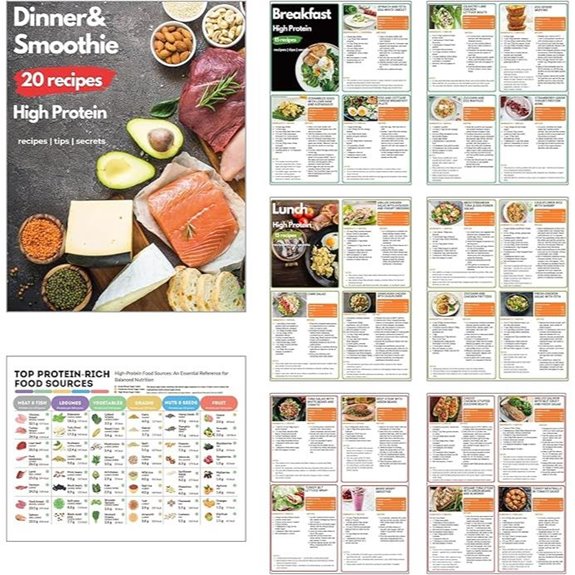 | Best Overall | Protein focus: High-protein emphasis with planned meals | Ready-to-use format: Daily meal plan layout (breakfast, lunch, dinner) | Calorie/portion guidance: Nutrition tracking guidance (protein, carbs, calories) | VIEW LATEST PRICE | Read Our Analysis |
| High Protein Frozen Meal Plan Kit (6 Pack) | 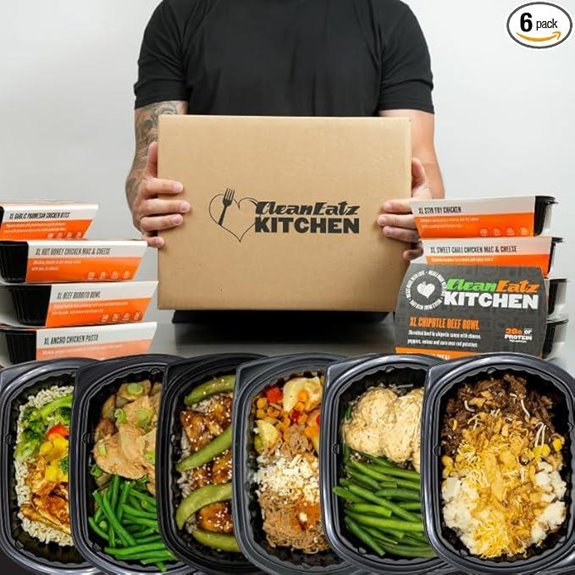 | Quick-Prep High-Protein | Protein focus: High-protein meals (40–50 g per meal) | Ready-to-use format: Ready-to-heat frozen meals (pre-packaged) | Calorie/portion guidance: Calorie-controlled portions (400–600 calories per meal) | VIEW LATEST PRICE | Read Our Analysis |
More Details on Our Top Picks
High Protein Meal Plan for Weight Loss & Fitness
If you’re aiming to lose fat while building lean muscle, this high-protein plan suits you because it’s designed to boost satiety and track protein, carbs, and calories every day, helping you feel full longer while you train. The Auroscent High Protein Meal Plan Chart provides structured daily meals—breakfast, lunch, and dinner—with varied options to prevent repetition. It emphasizes higher protein and lower carbs, supporting fat loss, muscle maintenance, and fitness goals. It shares meal prep guidance and nutrition tracking tools, helping you stay consistent. This 8-page, binder-ready layout makes smart, sustainable dieting easier.
- Protein focus:High-protein emphasis with planned meals
- Ready-to-use format:Daily meal plan layout (breakfast, lunch, dinner)
- Calorie/portion guidance:Nutrition tracking guidance (protein, carbs, calories)
- Diet versatility:Low-carb, high-protein meal planner for weight loss/fitness
- Target audience:Adults seeking structured meal planning for weight management and fitness
- Format/packaging type:8-page, binder-style meal planner
- Additional Feature:Calendar-like organization
- Additional Feature:Recipe ideas included
- Additional Feature:Nutrition tracking tools
High Protein Frozen Meal Plan Kit (6 Pack)
Need a quick, reliable way to hit your protein targets? The High Protein Frozen Meal Plan Kit (6 Pack) delivers six chef-created, calorie-controlled meals you can heat in minutes. Each single-serving entrée packs 400–600 calories and 40–50 g of protein, supporting bulking or cutting goals with portion control. Made fresh and frozen to lock in flavor and nutrients, the kit uses real chicken, lean beef, vegetables, and whole grains—no fillers or artificial preservatives. Convenient, individually wrapped portions require no thawing; you can microwave in 3 minutes or bake in 20. Perfect for busy professionals and gym-goers alike.
- Protein focus:High-protein meals (40–50 g per meal)
- Ready-to-use format:Ready-to-heat frozen meals (pre-packaged)
- Calorie/portion guidance:Calorie-controlled portions (400–600 calories per meal)
- Diet versatility:Suitable for keto/high-protein diets and bulking/cutting goals
- Target audience:Busy professionals, gym-goers, health-conscious individuals
- Format/packaging type:6-pack frozen, individually wrapped meals
- Additional Feature:Microwave-ready meals
- Additional Feature:Individually wrapped portions
- Additional Feature:No thawing required
Factors to Consider When Choosing High Protein Meal Plan Men
When you pick a high-protein plan, check the protein density per meal to meet your gains without overshooting calories. Make sure calorie control aligns with your goals, then weigh prep time and storage needs to fit your schedule and freshness standards. Prioritize ingredient quality and how cleanly the plan handles storage and freshness to keep meals reliable.
Protein Density Per Meal
What protein density per meal looks like matters for maximizing muscle gains without overshooting calories. You’ll typically see 20–50 grams per standard meal, with 40–60+ g for targeted muscle-building plans. Higher density per meal can better support muscle protein synthesis when you spread it across multiple meals daily. Meals delivering 30–40 grams often strike a balance between satiety and signaling without packing on excess calories for many goals. Plant-based or mixed meals may require larger portions or protein complementation to reach parity with animal-based options. Remember, protein density isn’t everything: align these meals with your total daily protein targets and integrate appropriate carbs and fats to fit your overall energy balance.
Calorie Control Alignment
Calorie control alignment means structuring your day so total intake matches energy expenditure, supporting fat loss or maintenance while preserving lean mass. You’ll benefit from higher satiety with protein-rich plans, which can naturally curb hunger and lead to smaller portions and fewer calories consumed. Compare per-meal and per-serving counts to keep your daily total within target, especially with pre-packaged or frozen options. Some plans include adjustable portions or built-in calorie tracking, helping you align with goals like bulking or cutting. Be mindful of hidden calories in sauces, condiments, or cooking fats that can offset balance. By tracking intake and using meal plan features, you optimize consistency, fueling gains without creeping over your energy needs.
Preparation Time Variance
Preparation time varies widely across high-protein plans, and your choice should fit how much time you can devote to cooking each day. You’ll find daily meal plans typically require 15–30 minutes of planning, while pre-prepared kits or frozen meals cut active prep to 3–20 minutes per meal. Instant-ready options, like frozen or microwavable dishes, offer the shortest active prep, often just a few minutes in the microwave or oven. Meal prep guidance and batch-cooking features can extend total planning time but reduce daily effort by consolidating cooking into one session. Formats with calendar-like organization or grid layouts minimize decision-making time by providing structured portions and meal ideas. Ready-to-heat components and clearly labeled nutrition shorten portioning and tracking during preparation.
Ingredient Quality Standards
When choosing a high-protein meal plan for men, prioritize clear sourcing standards, such as antibiotic-free poultry or grass-fed beef, to ensure higher-quality animal proteins. Look for plans that list complete nutrition facts per serving, including exact protein grams, calories, fats, and carb counts, so you can verify alignment with your goals. Favor options that avoid artificial preservatives, fillers, and artificial flavors by reviewing ingredient lists for simple, recognizable ingredients. Emphasize lean protein sources—chicken, turkey, fish, lean beef, and plant-based proteins—paired with a variety of vegetables for micronutrient balance. Check for certifications or quality controls, such as food safety certifications or HACCP plans, and clear labeling of allergens to ensure safety and transparency.
Storage And Freshness
Storage and freshness matter just as much as nutrition when you’re choosing a high-protein meal plan for men. Frozen meals typically retain quality for months in a freezer, delaying spoilage and preserving nutrients until use. Ready-to-eat microwavable options offer quick heat-and-eat convenience without thawing, signaling shorter downtime for consumption. Shelf-stable meal planners and non-frozen formats rely on refrigeration timelines or packaged label dates to determine freshness. Individual portioning helps minimize repeated opening of containers, reducing exposure and potential spoilage risk. Proper storage temperatures, like freezing at 0°F/-18°C or below, are essential to slowing microbial growth and maintaining texture. Monitor labels, rotate stock, and prioritize clearly dated items to sustain flavor and protein integrity. Your plan stays reliable when storage practices match quality expectations.
Common Questions
How Many Calories Should I Target Daily for Gains?
To gain, you should target a daily surplus of about 250–500 calories above your maintenance. Start with a ballpark using body weight: roughly 15–18 calories per pound for moderate gains, adjusting based on weekly progress. Prioritize protein (1.6–2.2 g per kg), carbs around training times, and healthy fats. Track your intake for 2–4 weeks, then fine-tune. Stay consistent, sleep well, and hydrate to support growth.
Can Plant-Based Proteins Meet My Protein Needs for Gains?
Yes, plant-based proteins can meet your gains. You’ll want a varied mix—beans, lentils, soy, quinoa, nuts, seeds, and fortified products—to hit total protein and essential amino acids. Aim roughly 1.6–2.2 grams per kilogram of body weight daily, and spread intake across meals. Use complete proteins or pair combinations (rice and beans, hummus with whole-grain bread) to optimize. Track your progress, adjust portions, and prioritize whole foods for consistency.
How Often Should I Re-Evaluate My Plan for Progress?
You should re-evaluate every 4–6 weeks. No glory days got stuck on repeat. Track progress, tweak lifts, and log meals, measurements, and mood. If you’re progressing, give it another cycle; if you’re stalling, adjust reps, volume, or protein timing. Set quarterly milestones, review goals, and adjust plan accordingly. Don’t wait a year and blame the plan—be honest, stay consistent, and recalibrate when your gains plateau or your schedule changes.
Are Protein Supplements Necessary Beyond Whole Foods?
No, protein supplements aren’t strictly necessary beyond whole foods. If you routinely hit your daily protein target through meals, you don’t need them. They’re just convenient for tight schedules, travel, or appetite fluctuations. Focus on a mix of lean meats, dairy, eggs, legumes, and whole grains, then add a shake or bar when you struggle to meet goals. Keep portions balanced, and prioritize overall nutrition and training consistency. Reassess if progress stalls.
How Does Protein Timing Affect Muscle Recovery?
Protein timing helps you recover faster by signaling repair right after workouts and spacing protein intake to sustain amino acids in your blood. You’ll feel less soreness and rebuilt strength when you eat within a window, like fueling a car between stops. Aim for 20–40 grams of high-quality protein per meal, especially after training, and spread it through the day to support steady muscle recovery and growth.
All Together
You’ve got the blueprint to fuel your gains, with meals that hit protein where it counts and fit your schedule. When you choose wisely, you’re choosing consistency over shortcuts—like a steady drumbeat that carries a fighter through the last round. Remember the pioneers who built strength on simple, purposeful fuel. As you bite into each planned bite, let it echo resilience, readiness, and forward momentum—a quiet allusion to tomorrow’s strongest you.