
You’re exploring options that align with your body’s natural rhythms, rather than pushing for abrupt changes. Alphaline offers a natural alternative that works with your own processes, potentially supporting testosterone-related goals without the heavy-handed approach of traditional TRT.
As you weigh the path forward, you’ll want to think about how ingredients might influence Leydig cell activity, LH signaling, and steroidogenesis while aiming to minimize disruption to the HPT axis. The evidence is still evolving, so consider timelines, safety, and how personalized results could play out for you.
Key Points
- Alphaline offers a natural alternative by supporting endogenous testosterone production rather than exogenous TRT.
- It targets Leydig cell activity, LH signaling, and steroidogenesis with minimal disruption to the HPT axis.
- Benefits emerge gradually, with improvements in vitality, strength, and mood after weeks of consistent use.
- Safety considerations include contraindications for hormone-sensitive cancers and the need to consult a clinician before starting.
- Prioritize independent evidence, third-party testing, and clear ingredient dosages to evaluate quality and real-world effectiveness.
What Makes Alphaline a Natural Alternative to TRT
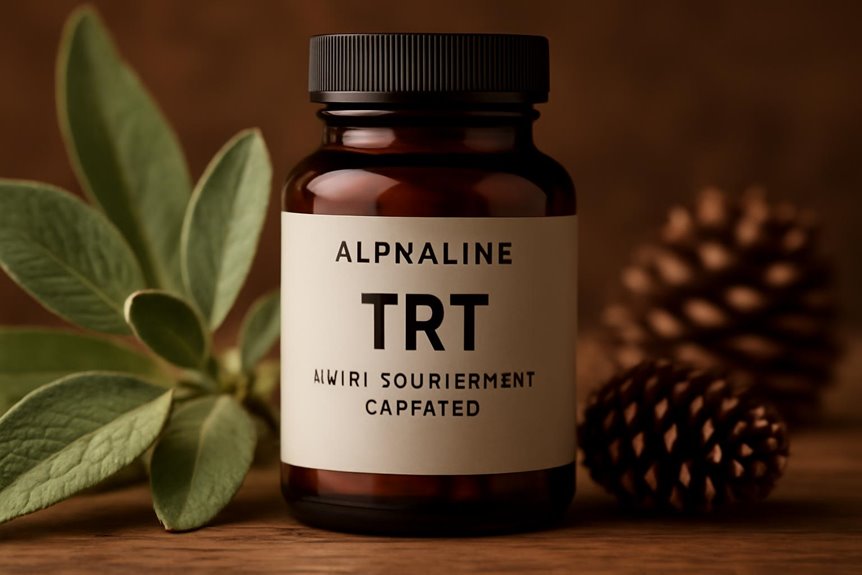
What makes Alphaline a natural alternative to TRT? You’re exploring a option that centers on natural approaches to hormone balance rather than exogenous testosterone replacement. The formulation emphasizes supporting endogenous production, metabolism, and receptor sensitivity, aiming to minimize risks associated with traditional therapy. Clinically, natural alternatives focus on lifestyle factors, nutritional status, and targeted nutraceuticals that may influence testosterone precursors, SHBG, and inflammatory markers. Evidence suggests that improving sleep, physical activity, and micronutrient intake can modestly affect hormonal milieu in some individuals. Alphaline’s blend seeks to modulate hormonal balance through adjunctive pathways rather than overt suppression or replacement, providing a conservative option for those prioritizing conservative management and monitoring. Always assess personal risk, monitor outcomes, and consult a clinician before altering therapy.
How Alphaline Works: Ingredients, Science, and Hormone Balance
How does Alphaline work to support hormone balance? You’re guided through a concise mechanism: ingredients target pathways involved in testosterone production and regulation, supporting a favorable hormonal milieu. The formulation blends clinically studied botanicals and nutrients designed to influence Leydig cell activity, luteinizing hormone signaling, and steroidogenesis with minimal HPT axis disruption. Alpha boosts arise from compounds that may enhance endogenous testosterone synthesis and modulate aromatase activity, helping maintain a balanced estrogen-to-testosterone ratio. Evidence cited in product literature emphasizes antioxidant effects, anti-inflammatory action, and improved cellular signaling related to hormonal homeostasis. By combining these elements, Alphaline aims to support overall hormone balance, potentially complementing lifestyle measures. Individual responses vary, and clinical consultation remains advised before initiating supplementation.
What to Expect: Benefits, Timelines, and Realistic Results
While results vary, you can expect a gradual trajectory rather than immediate changes. In this section, you’ll learn what to expect regarding benefits, timelines, and realistic results from Alphaline TRT capsules. Evidence suggests gradual improvements in vitality, strength, and mood, with meaningful shifts often appearing after weeks of consistent use. Clinically, the pace depends on baseline levels, adherence, and lifestyle factors. This summary outlines realistic expectations for functional outcomes and timelines.
- what to expect: modest energy gains and mood stabilization
- timelines: initial signs within 2–4 weeks; more noticeable benefits at 6–12 weeks
- realistic results: gradual improvements, not instant transformation
- what to expect: functional performance and daily well-being
- benefits and timelines: sustained, incremental gains with ongoing use
Safety, Risks, and Who Should Avoid Alphaline
Considering the prior discussion of gradual benefits, it’s important to address potential safety concerns and identify who should avoid use. You should know that safety cautions exist, particularly with preexisting conditions, medication interactions, and dosing missteps. Contraindications are present for certain individuals; you should avoid Alphaline if you have hormone-sensitive cancers, cardiovascular instability, or severe liver or kidney disease. If you’re pregnant or breastfeeding, don’t use. People with active psychiatric disorders or unmanaged hypertension should proceed with caution. Always consult a clinician before starting any supplement. Below is a concise risk snapshot to guide decisions:
| Population at Risk | Potential Risk | Recommended Action |
|---|---|---|
| Cardiovascular disease | Uncertain effects | Seek medical advice |
| Liver or kidney disease | Potential intolerance | Avoid or monitor |
| Hormone-sensitive cancer | Unknown impact | contraindicated |
| Pregnancy/Breastfeeding | Unknown safety | do not use |
How to Evaluate Quality and Make an Informed Choice
Evaluating quality starts with checking independent evidence and product transparency. You should scrutinize clinical trial data, third-party testing, and label accuracy to gauge true efficacy and safety. Consider ingredient dosages, bioavailability, and potential interactions with medications you use. Compare brands on manufacturing standards, such as GMP certification and batch-specific COAs, to verify consistency. Assess sourcing reliability by tracing ingredient origins and supplier audits. Look for transparent disclosure of risks, withdrawal symptoms, and adverse event reporting. Verify return policies and customer support responsiveness. Finally, weigh overall value against cost, balancing anticipated benefit with risk. Use these criteria to guide your decision, focusing on evidence, transparency, and credible sourcing.
- Quality comparison
- sourcing reliability
- independent evidence
- label accuracy
- manufacturing standards
Common Questions
Can Alphaline Interact With Common Medications I Take?
You should watch for potential interaction cautions and liver enzyme effects. In brief, Alphaline may interact with certain meds, especially ones processed by liver enzymes, so you should review your regimen with your clinician. Do not start, stop, or adjust doses without advice. If you notice unusual symptoms, report them promptly. While evidence is limited, monitor liver function and symptoms closely, and consider drug–drug interaction checks before adding new therapies.
Is There a Money-Back Guarantee or Trial Period?
There isn’t a universal guarantee; individual policies vary by retailer and formulation. Check the product’s official site or contact customer support for precise terms on a money back guarantee or trial period. If offered, review eligibility, timeframe, required conditions, and return shipping. Be mindful of possible restocking fees. You should document purchase details and keep any unopened packaging during the trial. Always compare guarantees with alternatives before committing to a long-term plan.
Are There Age-Related Considerations Beyond Recommendations?
Yes, there are age-related considerations beyond general recommendations. For example, you might start with age appropriate dosing and monitor response closely, especially if you’re over 50. Safety considerations include evaluating cardiovascular risk, liver function, and hormonal balance. You should discuss with a clinician before use. Regular lab tests, symptom tracking, and periodic re-evaluation help ensure effectiveness and minimize adverse effects. If concerns arise, stop and seek guidance promptly.
How Soon Can I Expect Noticeable Mood Changes?
You may start noticing mood changes within a few days to a couple of weeks, but timing varies by individual. Focus on mood fluctuations, irritability, or improved sense of well‑being, and track any patterns. Expect gradual improvement rather than rapid shifts. Consistency with dosing and adherence to recommendations support more reliable results. If mood changes are delayed beyond several weeks, or worsen, consult your clinician to reassess timing expectations and overall effectiveness.
Do Reviewers Report Any Long-Term Side Effects?
Most reviewers report no widespread long-term effects, but data remain limited. While some individuals note minor digestive upset or headaches, these are not consistently linked to use and often resolve with time or dosing adjustments. When evaluating testosterone alternatives safety, consider study design, duration, and adverse event reporting. You should monitor mood, sleep, and libido over months, and consult a clinician if you notice persistent changes. Long-term safety requires more robust, long-duration trials.