
If you’re dealing with nighttime trips to the bathroom, you’re not alone. Nocturia affects roughly 20–30% of men over 65, and it can make resting feel far from restful. Biovancia Prostazen positions itself as a targeted option for prostate comfort, focusing on supporting inflammation balance, oxidative health, and hormonal signals to help reduce urgency and improve continence. Think of it as a practical approach that aims to address a few key pathways rather than promising a wholesale fix.
As you consider whether this might fit your routine, it helps to weigh how the product’s modest, pathway-specific effects align with your goals. Pay attention to sourcing, testing, and clinical backing, and balance any short-term benefits with long-term safety. If you’re exploring options to support nighttime comfort, Prostazen could be worth a closer look to see if it fits your needs.
Key Points
- Prostazen is marketed as a prostate health supplement aimed at reducing urgency and improving urinary flow, with effects described as modest and context-dependent.
- Mechanisms center on anti-inflammatory action, oxidative stress control, hormonal signaling, and supporting tissue resilience for better urinary function.
- Key ingredients include saw palmetto, beta-sitosterol, nettle root, Pygeum africanum, zinc, and selenium, each with proposed roles in comfort and nocturia reduction.
- Safety guidance emphasizes starting with the lowest effective dose, monitoring symptoms, and discussing possible interactions with anticoagulants or hormonally active supplements.
- Verification steps stress independent testing, transparent sourcing, regulatory status, batch-traceability, and avoiding overclaims in France’s market.
What Biovancia Prostazen Claims to Do

Biovancia Prostazen claims to support prostate health by targeting urinary and reproductive comfort, with a focus on reducing occasional urgency and improving overall function. You’ll see the claims presented as symptom relief and daily performance improvements, anchored in selective ingredient claims and patient-reported outcomes. The messaging emphasizes practical benefits—easier voiding, steadier flow, and minimized interruptions—while noting population-specific effects. However, disclaimers overlooked in some materials may downplay individual variability or potential interactions with existing therapies. Cultural considerations appear in marketing language and consumer interpretation, potentially shaping expectations differently across regions. You’re advised to evaluate evidence quality, study design, and sponsor transparency before drawing conclusions. In clinical narration, evaluate claims critically, focusing on measurable endpoints, safety profiles, and real-world applicability.
How Prostazen Is Supposed to Work
Prostazen is designed to support prostate health through specific mechanisms of action that influence urinalysis and gland function. You’ll consider how each active ingredient contributes to targeted prostate support, including their roles in modulation, anti-inflammatory effects, and tissue response. This discussion centers on the mechanisms, the roles of each ingredient, and how these elements collectively aim to support prostatic function.
Mechanisms Of Action
What mechanisms underlie Prostazen’s purported effects on prostate health? You examine proposed actions as mechanisms that influence cellular pathways, inflammation, and hormonal balance. The formulation is described to modulate prostatic growth signals and oxidative stress, with outcomes attributed to indirect support of urinary function and tissue integrity. The precision of claims rests on reported targets rather than confirmed clinical endpoints, and the delivery route is framed as straightforward for user accessibility. You should note that regulatory status and novel delivery considerations shape how claims are presented, not necessarily how they perform. The following table provides a schematic view of purported interactions.
| Targeted pathway | Claimed outcome |
|---|---|
| Inflammation modulation | Reduced prostatic irritation |
| Oxidative stress control | Preserved tissue integrity |
| Hormonal signaling | Altered growth cues |
| Cellular proliferation | Suppressed abnormal growth |
| Metabolic support | Enhanced tissue resilience |
Active Ingredient Roles
Building on the mechanisms discussed, this section outlines how Prostazen’s active ingredients are intended to work at the molecular level. You’re assessing each component for its proposed roles: a primary anti-inflammatory action, a supporting antioxidant effect, and a modulating influence on urinary and prostatic cells. Each ingredient targets specific pathways, aiming to reduce cellular stress, inhibit abnormal signaling, and promote healthy tissue homeostasis. You’ll note that the formulation relies on synergistic interactions rather than a single mechanism, with dosages designed to minimize adverse reactions. In practice, effects are predicted from in vitro and limited in vivo data, pending broader validation. You should consider new experiments that test efficacy across populations while ensuring ethical sourcing of raw materials to maintain transparency.
Targeted Prostate Support
Targeted Prostate Support relies on a concerted action of Prostazen’s ingredients to modulate prostate tissue and urinary function. You’ll notice how selected components aim to balance inflammation, cell turnover, and androgen signaling, supporting normal prostate architecture and steady urine flow. The formulation targets prostatic microenvironment, aiming to reduce nocturia and urgency while preserving continence. Mechanistic effects are synergistic rather than singular, offering a multifactorial approach to comfort and function. Clinical relevance centers on tissue response, glandular tone, and urinary tract dynamics, with a focus on safety and tolerability. disclaimer considerations include recognizing individual variability and discussing possible interactions with existing therapies. alternative therapies may complement Prostazen, but need professional guidance. Table summarizes key actions and expected outcomes.
| Ingredient action | Expected outcome |
|---|---|
| Anti-inflammatory | Reduced tissue irritation |
| Modulation of signaling | Improved urinary flow |
Ingredients Spotlight and What They Do
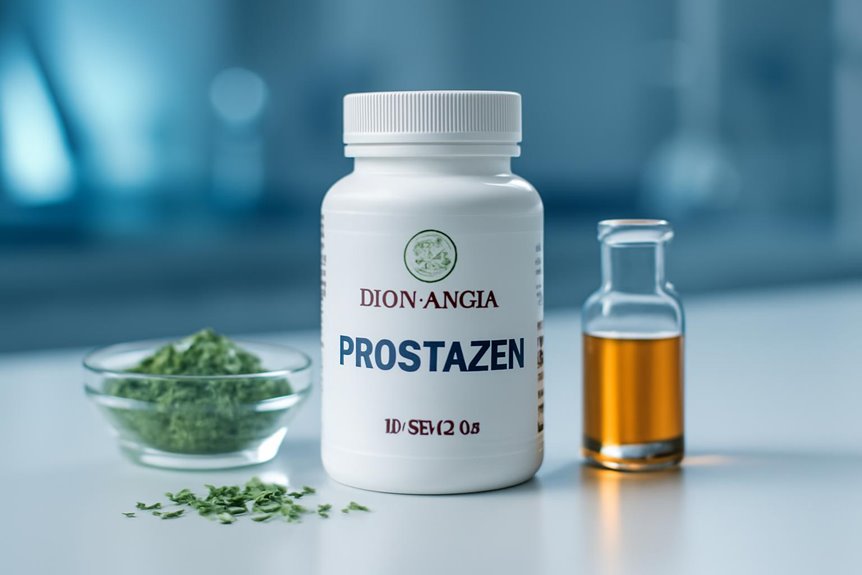
You’ll see the key active components and how they interact with prostate biology, outlining their mechanisms of action and the anticipated health benefits. The discussion centers on how these components exert effects at a cellular level, what pathways they influence, and the evidence supporting their use. The goal is to present a concise, clinically grounded overview that informs potential outcomes without overstating certainty.
Key Active Components
Prostazen’s key active components include specific herbal extracts and minerals chosen to support prostate health. You evaluate the formula by examining select ingredients, dosed for targeted effects without extraneous fillers. Saw palmetto contributes anti-inflammatory and anti-androgen properties, while beta-sitosterol may assist urinary flow and comfort. Nettle root delivers potential symptomatic relief, and pygeum africanum supports nocturia reduction in some users. Zinc and selenium provide micronutrient balance relevant to cellular health and immune support. GABA and other botanicals are present to maintain overall homeostasis, yet you focus on evidence-based relevance rather than marketing claims. Claims accuracy remains critical as you compare product labeling with independent literature. Pricing dynamics influence adoption, but you assess the core active components for scientific plausibility and clinical alignment.
Mechanisms Of Action
What do the key ingredients do at a biological level? You examine how each component modulates pathways relevant to prostate biology. Some compounds appear to influence inflammatory mediators, oxidative stress, and cellular signaling linked to glandular function. Others may affect hormonal metabolism or enzyme activity tied to tissue growth. The net effect is a collection of modest, pathway-specific actions rather than a single, definitive mechanism. You should note that the evidence base is variable, with substantial heterogeneity across studies and formulations. In this context, insufficient evidence prevents robust causal conclusions about therapeutic efficacy. Ethical considerations also arise when translating preclinical or limited clinical signals into consumer use, particularly regarding labeling, claims, and informed consent in self-directed regimens.
Potential Health Benefits
Investigating the ingredients reveals a spectrum of potential health benefits tied to specific biological actions relevant to prostate biology. You’ll see how select compounds support normal urinary function, modulate inflammatory pathways, and influence hormonal balance without overpromising outcomes. In this spotlight, each ingredient targets distinct mechanisms—antioxidant activity, cytokine regulation, and cell-cycle modulation—translated into plausible, measurable effects. You assess how these actions could translate to improved prostate comfort, reduced nocturnal voiding, and stabilized tissue responses under common age-related stresses. However, beware topic gaps where evidence remains uncertain or preliminary. Ethical considerations arise regarding study design, disclosure, and real-world expectations. Overall, benefits appear context-dependent, requiring cautious interpretation and transparent, patient-centered communication to avoid overstating claims while supporting informed decisions.
Safety, Dosing, and Potential Interactions
Given its targeted use for prostate support, safety, dosing, and potential interactions require careful consideration before use. You should assess product labels, dosing schedules, and contraindications to avoid adverse events. In practice, start with the lowest effective dose and monitor for urinary or GI symptoms, adjusting only under medical guidance. Potential interactions may occur with anticoagulants, antiplatelets, or other hormonally active supplements; discuss all products you take to ensure compatibility. The emphasis on unverified claims and sourcing transparency matters: verify independent testing, ingredient lists, and manufacturing standards before relying on benefits. Table below summarizes typical considerations.
| Topic | Guidance | Rationale |
|---|---|---|
| Dosing | Start low, titrate slowly | Minimizes adverse reactions |
| Interactions | Consult clinician, disclose meds | Prevents contraindications |
| Verification | Seek independent testing, sourcing transparency | Ensures product integrity |
How to Buy in France and What to Watch For

When buying Biovancia Prostazen in France, start by verifying legal availability, local sourcing, and the seller’s credentials to avoid counterfeit products. You should examine official listings, regulatory approvals, and traceable supply chains before committing. Confirm product origin, batch numbers, and expiration dates, and compare packaging to official standards to detect inconsistencies. Assess seller practices, return policies, and warranty terms to protect your purchase. Be wary of exaggerated sales pitches; rely on objective data and transparent documentation rather than hype. In evaluating vendors, consider their branding strategy and how they present clinical evidence, dosage guidelines, and safety disclosures. A disciplined buying approach prioritizes verified authenticity, compliant labeling, and dependable customer support to minimize risk and ensure reliable access. Sales pitch should not replace verifiable details.
Real-World Opinions and Practical Takeaways
Real-World Opinions on Biovancia Prostazen in France tend to balance cautious skepticism with practical use cases: users routinely weigh reported efficacy against cost, availability, and potential side effects, while clinicians emphasize the need for robust, peer-reviewed data before recommending supplementation.
What ifs shape decisions in practice: you assess short-term gains vs. long-term safety, monitor for interactions with other meds, and consider lifestyle factors that may influence outcomes. Market pacing matters: consumer access fluctuates with promotions, stock, and regional advisories, impacting timely use. Clinicians advocate controlled trials and post-market surveillance to clarify effectiveness.
| Column A | Column B | Column C |
|---|---|---|
| What ifs | Market pacing | Real-world use |
| Risk flags | Access cues | Monitoring needs |
| Cost vs benefit | Adherence | Outcome signals |
Common Questions
Is Prostazen Approved by French Health Authorities?
No, it isn’t approved by French health authorities at this time. You should treat Prostazen as unverified for formal medical use. In your consideration of prostate nutrition and men’s health claims, rely on evidence from peer-reviewed sources and official health guidance. You’ll want to verify regulatory status before any consumption or recommendation. Clinical standards emphasize safety, efficacy, and approved indications; unsupported products pose potential risks to your prostate health and overall well-being. Seek professional medical advice if concerned.
How Long Until Prostazen Shows Noticeable Results?
Prostazen may show noticeable effects within several weeks for some users, though timelines vary. In terms of brief efficacy timelines, you might start sensing improvements in urinary symptoms as early as 2–4 weeks, with fuller benefits often reported after 6–12 weeks. Real world effectiveness depends on individual factors and adherence. You should monitor changes consistently, discuss persistent symptoms with your clinician, and avoid assuming universal results across all users.
Are There Any Long-Term Risks With Prostazen?
You want the answer up front: the long term risks are not fully known, but potential issues include digestive upset and interactions with other meds. You’ll want strict monitoring plans, especially if you have heart or liver concerns. Stay alert for changes in urination, vision, or mood. Maintain regular checkups, track symptoms, and report anything unusual. Do not adjust dosage without your clinician’s guidance; stay proactive and follow prescribed monitoring schedules.
Can Prostazen Be Used Alongside Prescription Meds?
Yes, you should check with your clinician before combining prostazen with prescription meds. Medication interactions are possible, and some drugs may amplify or reduce effects. Always disclose all prescriptions, OTCs, and supplements. Diet considerations can influence absorption or metabolism, so take note of timing and food interactions. Do not adjust doses on your own. Your healthcare provider can assess risks, review your meds, and monitor for adverse effects to ensure safe use.
What Are Common Real-World Side Effects Reported?
Common side effects are reported in real world reports as including mild digestive upset, headache, dizziness, and fatigue. You may notice transient nausea or abdominal discomfort early on, which often improves with time or dosing adjustments. Some users report dry mouth or slight changes in urinary frequency. If you experience persistent symptoms, seek medical guidance promptly, especially if you have underlying conditions or take other medications that could interact with you. Always monitor and communicate changes to your clinician.