
Biovancia Symbioflore 50 presents itself as a French probiotic blend aimed at supporting prostate health by shaping the gut and urinary tract microbiota with targeted Lactobacillus and Bifidobacterium strains.
If you’re exploring options to support urinary and prostate well-being, you’re likely weighing how specific strains, their dosages, and the proposed mechanisms—like barrier support and anti-inflammatory signaling—might fit into your overall health plan. It’s reasonable to consider how reliable the clinical evidence is and what real-world benefits you might expect, given that results for prostate outcomes are often modest or mixed.
Think of this as a practical part of a broader strategy for your health. You’ll want answers to practical questions—how the strains are chosen, the exact amounts per dose, how long you’d take them, and how this might interact with your current routine or medications—so you can decide whether this probiotic fits your goals.
Key Points
- Biovancia Symbioflore 50 combines Lactobacillus and Bifidobacterium strains aimed at gut barrier support and potential prostate-related inflammation modulation.
- Strain-specific benefits, including L. casei group, L. rhamnosus, L. plantarum, and B. longum subsp. longum, are highlighted for barrier integrity and anti-inflammatory signaling.
- Evidence for prostate health effects is modest and variable; clinical human data are heterogeneous and often inconclusive.
- Realistic use: modest, incremental benefits within a broader strategy of lifestyle, screening, and clinician guidance.
- Practical checks: evaluate dosing, strain diversity, viability, quality controls, and safety, and monitor for adverse effects.
What Biovancia Symbioflore 50 Is and Why It Matters
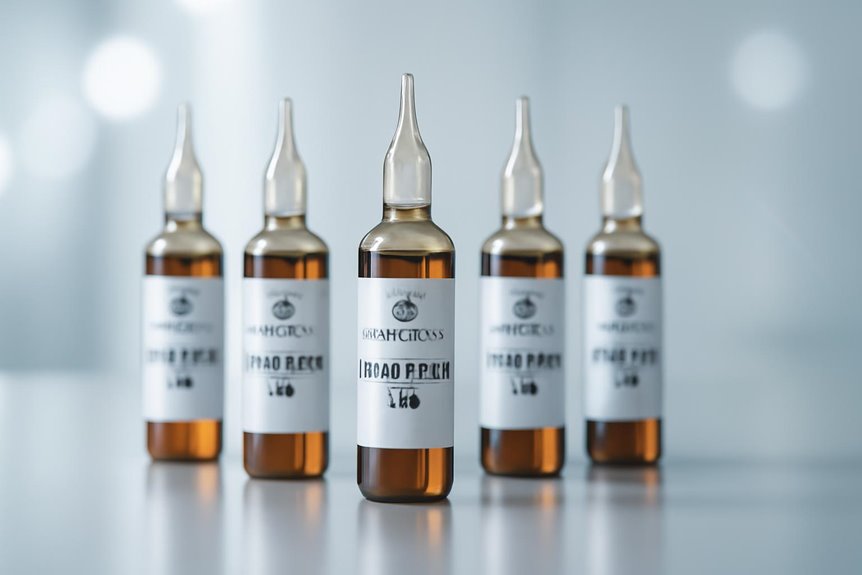
Biovancia Symbioflore 50 is a dietary probiotic blend marketed for prostate health by combining specific bacterial strains in a single capsule. You evaluate its purpose by its Biovancia role: to support balance in gut microbiota and potentially influence systemic factors linked to prostate function. The product presents itself as a targeted approach rather than a broad-spectrum supplement, with claims centered on digestive comfort and ancillary benefits. Probiotic claims focus on restoring microbial diversity, supporting barrier integrity, and modulating inflammatory markers. In assessing value, you examine dosing, strain composition, and clinical context rather than marketing language alone. The formulation’s clout rests on how reliably the strains survive gastric transit and interact with host microbiota to yield measurable outcomes.
The Probiotic Strains Key to Prostate and Gut Health
Which strains matter most for prostate and gut health, and why? You focus on those with proven roles in modulating Probiotic mechanisms and influencing Prostate biomarkers, rather than guesswork. Specific strains contribute to epithelial integrity, local immune tone, and microbial metabolite profiles that can affect inflammation and cellular signaling.
- Lactobacillus casei group and Lactobacillus rhamnosus for barrier support
- Bifidobacterium longum subsp. longum for mucosal interaction
- Lactobacillus plantarum for anti-inflammatory signaling
- Bifidobacterium adolescentis and B. breve for metabolite balance
- Strain-specificity matters: effects hinge on unique receptor engagement and gene expression
How the French Formula Claims to Support Prostate Wellness
How does this French formula claim to support prostate wellness, and what mechanisms does it cite? You’ll see claims anchored in a probiotic formulation designed to modulate gut and urinary tract microbiota, reduce secondary inflammation, and support immune balance. The manufacturer emphasizes colonization of targeted strains that purportedly influence local cytokine activity and barrier function, potentially impacting prostatic microenvironment indirectly. They also reference gut-prostate axis concepts, suggesting systemic effects from microbial metabolites and improved inflammatory mediators. Dosage rationale is presented as a tiered approach, with expressed guidance on daily intake to sustain sustained microbial presence and short-term adjustments during symptomatic periods. Claims focus on holistic modulation rather than direct prostatic targets, and they frame outcomes as gradual improvements aligned with steady probiotic exposure.
What the Science Says: Evidence, Gaps, and Realistic Expectations
While the previous discussion framed possible mechanisms by which a French probiotic formulation could influence prostate wellness, the actual science presents a mixed picture. You’ll find some evidence suggesting modest effects in hormone-related pathways and inflammation, but data are inconsistent across populations and outcomes. Probiotic mechanisms appear plausible, yet clinically meaningful results remain uncertain without robust trial design and replication. Expect limited generalizability due to heterogeneity in strains, doses, and endpoints. Realistic expectations should emphasize incremental gains rather than definitive cures. You should weigh benefits against study quality, potential biases, and adverse events reported in small trials. Overall, the literature supports cautious optimism but urges rigorous, well-designed research to confirm efficacy and delineate mechanisms.
- Probiotic mechanisms
- Trial design
- Population heterogeneity
- Outcome measures
- Risk–benefit assessment
Practical Usage, Safety, and Decision Points for Your Routine
Practical usage, safety, and decision points for your routine require a disciplined approach: start with clear, evidence-informed expectations about what this French probiotic formulation can and cannot do for prostate wellness. You’ll assess product labels, strain diversity, and dosing guidance to align with your goals. Consider Probiotic strains present, their viability, and whether the formulation supports sustained gut–immune interactions linked to prostate health. Use it as part of a broader strategy—not a lone solution—balancing lifestyle, screening, and clinician advice. Monitor for adverse effects, particularly in starting doses, and discontinue if new symptoms arise. Decide based on stability, quality controls, and transparency of clinical backing. For Prostate health, prioritize reproducible evidence and personalized risk assessment over marketing claims.
Common Questions
How Does Symbioflore 50 Compare to Other Prostate-Focused Probiotics?
Short answer: Symbioflore 50 vs competitors shows modest convenience and similar strains, but its direct prostate-specific claims aren’t uniquely superior. You’ll see comparable CFU counts and capsule formats across options, yet Symbioflore 50 often emphasizes gut- and pelvic-area balance rather than a proven prostate-targeted effect. Prostate focused probiotic comparison suggests no definitive winner yet. Consider strains, dosing, and clinical context; choose a regimen aligned with your doctor’s guidance and product transparency.
Are There Any Known Interactions With Common Prostate Medications?
Interactions with common alpha blockers aren’t well documented; you should monitor for unexpected effects and discuss with your clinician. Some users report minor GI changes or headaches, but rigorous interactions data are limited. Potential synergy with anti inflammatory medications isn’t established and should be evaluated case by case. Prostate medication interactions aren’t clearly defined, but you should avoid self-adjusting dosages. If you notice symptoms, report them promptly to your healthcare provider.
What Long-Term Use Data Exists for This Formula?
“Time will tell.” You should know there’s limited long-term safety and efficacy data for this formula. While some short-term studies suggest modest benefits, robust long-term safety data are sparse. You’ll want to monitor for changes in digestion, immune responses, or interactions with existing prostate medications. Because evidence is incomplete, treat conclusions cautiously, weigh potential benefits against risks, and rely on ongoing trials and labeled guidance for long-term safety and efficacy data.
Can It Address Non-Prostate Gut Issues Beyond Probiotics?
Yes, it can influence non-prostate gut health issues, though effects vary. You should evaluate strain diversity, CFU counts, and clinical data related to digestive symptoms, bowel regularity, and inflammation. Consider potential interactions with recent antibiotics or underlying GI conditions. You’ll want to monitor for improvements in gut health beyond prostate outcomes, and assess whether recommended usage aligns with your overall microbiome goals. Objective interpretation of evidence is essential for drawing meaningful conclusions about non prostate benefits.
What Are the Most Common Side Effects Reported?
Common side effects you might notice are mild gastrointestinal symptoms like bloating, gas, or upset stomach. Some users report temporary changes in bowel habits. Regarding long term safety, evidence is limited and generally suggests products are well tolerated for short durations; however, comprehensive long term data remain sparse. You should monitor any persistent symptoms and consult a clinician if you experience severe or unusual reactions. Overall, assess personal risk versus potential benefits when considering use.