
If you’re exploring Harwood Tonic Red Boost, you’re probably hoping for clearer energy, better mood, and a boost in stamina. It can feel frustrating when you’re standing at the edge of trying something new, wondering if the promised benefits will really show up or if it’s just marketing. You want a product that speaks plainly about what it can—and can’t—do for you, especially when it comes to your daily routine and fitness goals.
The truth is, solid proof and transparent labeling matter, and you’re right to look for them. Start by checking exactly what’s in the formula, how much you should take, and whether independent testing backs the claims. Then think about how it fits with your health plan, any other medications you take, and what safety and regulation resources say. There’s more to uncover about how it’s tested, labeled, and used in real life before you decide whether to try it.
Key Points
- Evidence for Harwood Tonic Red Boost is limited and mixed; robust, independent trials are lacking, so claims should be interpreted cautiously.
- The blend targets vascular support, energy, and smooth-muscle function, but dosing quality and labeling fidelity vary across markets.
- Real-world feedback reports modest energy boosts with some GI discomfort; effects are not uniformly experienced or long-term.
- Start at the lowest validated dose, follow label timing, monitor for interactions, and avoid exceeding recommended daily amounts.
- Outside expert guidance, compare claims to lifestyle and medical advice; beware marketing that repeats benefits without new data.
What Harwood Tonic Red Boost Claims to Do for Men

What does Harwood Tonic Red Boost claim to do for men? You’ll find claims that it supports male vitality, energy, and sexual function. The product markets improvements in stamina, mood, and performance, often framed as benefits for daily well‑being. However, you should assess these statements cautiously, noting that evidence presented by manufacturers may be limited or not independently verified. Look for specific, measurable outcomes and the quality of the supporting studies. Be aware of redundant claims that reiterate similar benefits without new data. Also consider safety warnings, including potential interactions or side effects, and whether the product has third‑party testing. If you have underlying health conditions or take medications, consult a clinician before use.
Key Ingredients Spotlight: What’s in Red Boost
Red Boost’s ingredient list matters because the claimed benefits hinge on the specific compounds it contains. You’ll find a blend commonly cited for male tonic claims, with certain ingredients tied to vascular, energy, or smooth-muscle support. However, evidence quality varies: some components have small trial bases or mixed results, while others lack robust replication. Expect a cautious review that notes mechanism plausibility without overstating outcomes. You should also weigh formulation interactions, dosage ranges, and product labeling fidelity. Taste comparisons emerge as a practical, subjective cue—palatability can hint at added flavors or sweeteners rather than efficacy. Branding critique matters too: marketing claims may outpace independent efficacy data, so read labels carefully and compare to peer-reviewed guidance before drawing conclusions.
How Red Boost Shapes Energy and Vitality
How does Red Boost influence energy and essences in men? You’ll likely notice subtle shifts in daytime stamina and focus, not dramatic overnight changes. The formula’s ingredients may support blood flow and metabolic efficiency, which can translate to steadier alertness during activities and workouts. However, effects vary, and you should view them as modest adjustments rather than quick fixes. In practice, you’ll want to pair use with healthy sleep, hydration, and balanced activity to gauge any real-life benefit. Be wary of red flag topics or marketing spin that overstate outcomes. Rely on cautious, evidence-consistent observations and avoid cherry-picked anecdotes. If you experience unexpected or persistent side effects, reconsider use and consult a clinician before continuing.
Scientific Support: What Research Says (and Doesn’t)
Scientific support for Harwood Tonic Red Boost hinges on what controlled studies show about its key ingredients and overall formulation. You’ll evaluate evidence with caution, noting that robust data for this blend are limited and mixed. Some trials suggest modest effects, yet placebo-controlled results often resemble active product claims. You should consider marketing claims critically, distinguishing hype from measurable outcomes. Placebo effects can inflate perceived benefits, especially for mood and energy measures. Overall, current research provides cautious signals rather than definitive proof. Further independent, peer-reviewed trials are needed to confirm efficacy beyond irritable, short-term changes. Until then, interpret findings as preliminary and topic-specific, avoiding broad generalizations about long-term safety or performance.
| Aspect | Evidence Strength | Cautions |
|---|---|---|
| Controlled studies | Limited | Need replication |
| Key ingredients | Mixed | Heterogeneous formulations |
| Real-world effects | Possible placebo | Distinguish from true effect |
| Long-term safety | Unknown | Requires longitudinal data |
North American Market Fit: US and Canada Regulations
North American regulatory considerations for Harwood Tonic Red Boost hinge on current US and Canada rules governing supplements and performance products, with a focus on labeling, ingredient safety, and marketing claims. You’ll need clear ingredient lists, compliantNutrition Facts-like labeling, and substantiated claims. Enforcement trends emphasize verifiable safety data and responsible marketing practices. You should monitor prohibition of unproven performance claims and pre-market notification where applicable.
North American regulatory considerations for Harwood Tonic Red Boost emphasize compliant labeling, ingredient safety, and substantiated performance claims across US and Canada.
1) Harwood branding must align with regional advertising standards, avoiding exaggerated results and unverified benefits.
2) Market pricing falls under truthful pricing and labeling rules, with transparent MSRP and any discount disclosures.
3) Compliance cadence should include ongoing document retention, recall readiness, and post-market surveillance to avoid regulatory risk.
Who Should Consider Red Boost? Ideal Use Cases
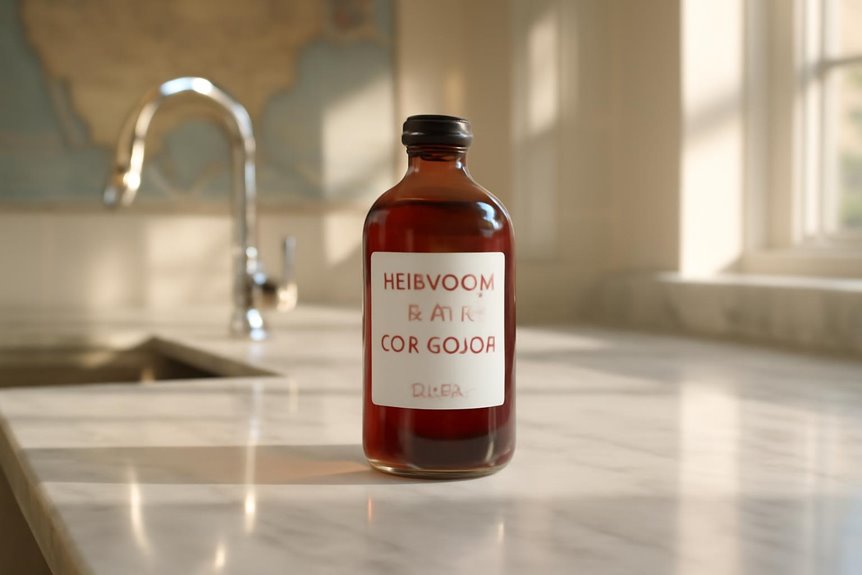
Red Boost may be most suitable for adults seeking a targeted, research-informed approach to male vitality within the bounds of common sense and regulatory guidelines. You may consider Red Boost if you’re looking for a formula that emphasizes evidence-based ingredients and measured expectations, rather than hype. Use cases focus on supporting energy, focus, and sexual vigor within safe, regulated use. Be aware of topic unrelated risks, potential interactions, and the need for personal medical advice where applicable. The content relevance relies on realistic goals and adherence to dosing guidelines. Audience mismatch can occur if you seek rapid, dramatic transformations without lifestyle support. Table below highlights key use cases and considerations.
| Targeted use | Practical note |
|---|---|
| Performance support | Pair with healthy habits |
| Long-term vitality | Monitor and reassess |
Potential Side Effects and Safety Considerations
Possible side effects and safety considerations deserve careful attention when using Harwood Tonic Red Boost. You should assess your health context, note any preexisting conditions, and monitor for unusual reactions. While formulations vary, potential side effects may include digestive upset or headaches in sensitive individuals. If you notice persistent symptoms, discontinue use and consult a healthcare professional. This discussion emphasizes safety considerations and not definitive claims about efficacy. Avoid exceeding recommended doses, especially if you’re taking other medications. Always check ingredient lists for allergens and interactions. If you have cardiovascular concerns, discuss use with a clinician before starting. Be mindful of quality and source integrity to support safety considerations and informed decisions.
Monitor for adverse effects, check interactions, and verify product quality before use.
- Monitor for adverse effects and seek guidance if needed
- Check for drug–supplement interactions
- Verify product quality and ingredient transparency
How to Dose and When to Take It
If you’re considering Harwood Tonic Red Boost, start with the label’s recommended serving and timing, then assess how it fits your daily routine. Focus on consistent, not excessive, dosing and avoid changing timing based on quick fixes or incomplete evidence. We’ll review practical steps and timing guidelines to help you decide what may work best for you.
Dosage Timing Guidelines
How should you time Harwood Tonic Red Boost for best effect? You should align dosage with evidence-backed guidance, and avoid ad hoc changes. If you’re new, start at the lowest validated dose and monitor responses over several days before adjusting. Consistent timing improves absorption and consistency, but avoid taking near meals that slow absorption unless labeled otherwise. Do not exceed recommended daily limits, and consult a clinician if you have underlying conditions or take other supplements.
1) Follow your product’s label for timing windows and space doses evenly throughout the day.
2) Consider a conservative approach to any changes, documenting effects during a defined sampling strategy.
3) Use offline promotion channels and a structured sampling strategy to assess tolerability and interest without overexposure.
When To Take It
To determine when to take Harwood Tonic Red Boost, follow the product label’s timing windows and space doses evenly across the day. You should align intake with meals or a consistent daily routine to minimize stomach discomfort and optimize absorption. Don’t exceed the recommended daily amount, and avoid taking multiple servings at once unless the label specifies. If you miss a dose, resume your normal schedule rather than doubling up. Be cautious if you’re taking prescription medications or have chronic conditions; interactions are possible, and evidence is limited for certain populations. This guidance reflects cautious interpretation and avoids making generic marketing promises or unsupported claims. If uncertain, consult a healthcare professional before starting, especially given variability in individual response and the lack of robust, independent data.
Practical Dosing Steps
Practical Dosing Steps: start by following the product label’s timing windows and spread doses evenly across the day, aligning with meals or a consistent routine to minimize stomach upset and optimize absorption. You should monitor your response and adjust only if needed, based on tolerance and any guidance from a clinician. Be wary of variability in serving sizes across markets, including an unrelated market or branding analysis that might mislead interpretation of potency. Consider marketing claims critically, comparing them with consumer reviews and scientific notes. If you experience GI discomfort, reduce a dose or pause briefly. Use a consistent routine for best continuity, and avoid doubling doses if a scheduled one is missed.
- Follow label timing and spread doses
- Watch for GI tolerance and adjust
- Check reviews, claims, and branding notes
User Experiences: Real-World Feedback and Trends
You’ll see real-world user trends pointing to modest but notable outcomes and varying timelines for effect. Practical outcome insights suggest differences by age, usage pattern, and baseline health, with cautious signals rather than guarantees. Evidence-based feedback emphasizes consistency in use and realistic expectations, inviting further reporting to clarify the overall impact.
Real-World User Trends
Real-world feedback shows a cautious but growing interest in Harwood Tonic Red Boost among men seeking tonic-style support. You’ll notice patterns across regions, but evidence remains limited and self-reported. You’re asked to weigh anecdotal trends against user reviews, while avoiding broad generalizations. Unrelated topic and marketing spin sometimes color perceptions, so focus on measurable signals rather than hype.
1) Reported improvements vary, with some users noting energy boosts, others no change, and a minority citing transient stomach discomfort.
2) Adoption appears slower among older cohorts, yet interest increases where access, pricing, and clinician guidance align.
3) Documentation of long-term outcomes is sparse; you should monitor ongoing user surveys, adverse-event reports, and independent trials before drawing firm conclusions.
Practical Outcome Insights
How should we weigh the real-world signals from men who’ve tried Harwood Tonic Red Boost? You’ll see mixed results, with some reporting modest improvements in energy and focus, while others notice little to no change. The evidence is uneven, so interpret trends with care and avoid overgeneralizing. Your takeaway should be provisional, focusing on patterns rather than single anecdotes. Consider timing, dose, and lifestyle factors as potential confounders. Below is a quick snapshot to aid judgment.
| Experience | Perceived effect | Caution/Notes |
|---|---|---|
| Early users | Signals occasional lift in vitality | Not universal; placebo possible |
| Mid-term users | Some energy, minor mood shifts | Variation in response |
| Long-term users | Limited consistency | Long-term safety data sparse |
disclaimer considerations, marketing claims
Is Red Boost Worth It? Pros, Cons, and Buy/Try Considerations
Is Red Boost worth it? You’ll want a careful read before you decide to buy or try. The formula may support energy and focus for some users, but evidence is mixed and effects vary. Consider safety, potential interactions, and the absence of long-term studies in this market. If you’re evaluating claims, look for transparent disclosure requirements and independent testing to verify ingredients and dosages. Marketing ethics matter; beware hype or misrepresentation about results or timelines. Weigh costs against personal goals and alternatives with documented outcomes.
Red Boost warrants scrutiny: verify ingredients, transparency, and realistic timelines before deciding.
- Assess ingredient quality, third-party testing, and realistic timelines.
- Check for transparent disclosures, labeling accuracy, and clear risk statements.
- Compare with evidence-backed lifestyle changes and medical advice.
Common Questions
How Does Harwood Tonic Red Boost Differ From Similar Tonics?
Harwood differences lie in formulation nuances, while Tonic comparisons show modest, ingredient-driven variance. You’ll notice different active compounds, dosages, and blend focuses; some tonics prioritize stamina, others mood or energy. Evidence-based reviews suggest effects are often modest and highly individual. You should evaluate clinically supported ingredients, potential interactions, and tolerance. In practice, choose based on your goals, scrutinize third-party testing, and avoid overestimating rapid, dramatic results. Overall, expect gradual, individualized benefits rather than uniform outcomes.
Are There Any Interactions With Common Medications?
Interacting meds can occur with herbal tonics, so you should check carefully before use. Think of a cautious captain cross-checking maps, avoiding reefs. Harwood Tonic Red Boost may interact with blood thinners, antidepressants, or stimulants, among others. Always consult your clinician, especially if you take prescription meds. Ensure labeling compliance by reviewing ingredient lists, dosing, and warnings. If in doubt, pause use until a professional confirms safety and interactions with your specific regimen.
What Is the Typical Trial Period to Assess Effectiveness?
Trial duration for evaluating this kind of product is typically 4 to 12 weeks. You should perform an Effectiveness assessment at 4 weeks and again at 8 to 12 weeks, noting any measurable changes in energy, vigor, or sexual function. Use standardized scales when possible and monitor for adverse effects. If benefits are unclear after 8 weeks, reassess usage, consider medical advice, and avoid escalating dose without guidance. Stay cautious and evidence-based in your assessment.
Can Red Boost Impact Fertility or Testosterone Levels?
Red Boost may influence fertility and testosterone only modestly and variably; evidence isn’t robust. You should approach claims with caution because red boost side effects and variable ingredient quality could affect outcomes. If you’re considering it for fertility or hormonal goals, consult a clinician first. Be mindful of fertility myths, and don’t rely on anecdotes alone. Track changes carefully, note any adverse reactions, and discontinue if you experience significant side effects.
Is Red Boost Compliant With Major Us/Canada Labeling Rules?
Yes, Red Boost’s compliance with major US/Canada labeling rules is uncertain. You should expect to reviewCOA claims, ingredient listings, and Safety Data where applicable. You’ll want to assess compliance concerns, labeling requirements, and any warnings for allergens, dosage, and contraindications. The evidence is cautious, noting regulatory ambiguity and potential gaps. You’d benefit from professional counsel or direct inquiries to manufacturers to verify adherence before market claims or distribution.