
If you’re navigating a crowded market of testosterone boosters, Nation Health MD T-Forge might feel like a beacon in the fog. You’re probably looking for something that’s medically grounded, clearly overseen by a clinician, and supported by a believable plan—not just hype. This product promises a doctor-branded approach and a multi-target design, but you’ll want to weigh how much independent human data backs those claims, and how openly the company discloses potential conflicts.
As you consider safety, dosing, and regulatory questions, it helps to pause and picture your own goals and concerns. A careful, symptom-guided evaluation could help you decide whether this doctor-branded option deserves a closer look—or if your time and money are better spent elsewhere. Your next step may hinge on what you find.
Key Points
- Nation Health MD T-Forge is marketed as a doctor-backed testosterone booster targeting testosterone, energy, mood, muscle, and sexual function through a multi-target formulation.
- The governance emphasizes physician-led oversight, peer review, regulatory alignment, and transparency, but independent verification of safety and efficacy remains essential.
- Evidence quality varies by ingredient; many claims rely on preclinical data or small human studies, with calls for robust independent clinical validation.
- Key ingredients (e.g., vitamin D, zinc, magnesium, D-aspartic acid, saw palmetto) have plausible roles, but effects are often modest and baseline-dependent.
- Practical decision criteria include label transparency, third-party testing, safety monitoring, and weighing symptom relief against cost and potential risks.
What Nation Health MD T-Forge Claims to Deliver

Nation Health MD T-Forge is marketed as a doctor-branded testosterone formula designed to support adult men’s testosterone levels and related health factors. You’ll find claims that the product targets energy, mood, muscle mass, and sexual function through a blend said to balance hormones and optimize testicular activity. The formulation is described as doctor backed and developed with formulation experts to align ingredients with purported physiological pathways. Reported ingredients typically include minerals, vitamins, and select botanicals intended to support hormonal balance, cardiovascular health, and metabolic stability. Evidence cited tends to reference clinical rationale rather than universal consensus, and independent verification isn’t always provided. You should consider product transparency, standardized dosages, and third-party testing when evaluating its claims and potential benefits.
Doctor-Backed Formulation: Who’s Behind It?
You’ll assess who backs Nation Health MD T-Forge, focusing on doctor-backed credentials and the expertise behind the formula. We’ll examine the formulation experts involved and the level of clinical oversight to determine how these factors support claims of safety and efficacy. The goal is to establish a concise, evidence-based view of the team and governance guiding the product.
Doctor-Backed Credentials
Who backs Nation Health MD T-Forge, and what credentials support its formulation? You’ll evaluate the published profiles and affiliations linked to the product’s development. The therapy’s stated aims align with evidence-based endocrinology principles: documented training in hormone optimization, oversight by licensed clinicians, and adherence to established safety guidelines. However, you should scrutinize the indicating institutions and their peer-reviewed outputs rather than relying solely on marketing statements. Credibility gaps can emerge when disclosures are incomplete or when third-party validation isn’t transparent. Doctor objectives appear to favor symptom-driven outcomes, but independent verification remains essential. In sum, you should weigh the credentialed background against potential conflicts of interest and seek independent data to confirm the formulation’s safety and efficacy claims.
Formulation Experts Involved
What experts contributed to the formulation, and what are their verifiable credentials? You’ll review the panel behind Nation Health MD T-Forge, noting credentials, affiliations, and disclosed disclosures. The lead formulator holds board certifications in endocrinology and clinical pharmacology, with published work on hormone optimization and safety profiles. A second contributor is a licensed physician-scientist affiliated with a university research center focused on metabolic health, with peer-reviewed articles on linchpin ingredients and dose-response relationships. A pharmacology consultant with regulatory experience provides data-supported justifications for excipient choices and bioavailability. Documentation also references a pharmacist specializing in compounded formulations and quality control protocols. Discussion ideas: medical ethics, branding transparency. The collective expertise is presented with verifiable sources, but you should scrutinize conflict-of-interest statements and cited trials before accepting claims as definitive.
Clinical Oversight Details
Clinical oversight for Nation Health MD T-Forge centers on a physician-led governance framework that mirrors standard endocrinology practice and regulatory expectations. You’ll evaluate oversight processes, source verification, and compliance checkpoints to understand how clinician input shapes formulation and safety monitoring. The focus is on transparent risk disclosure and objective evidence review to mitigate misinformation or bias. You’ll also scrutinize marketing claims for alignment with approved data, guarding against unlicensed marketing and patient deception. Below is a concise comparison to illustrate governance streams:
| Oversight Element | Description |
|---|---|
| Clinical governance | Physician-led decision making, peer review, and protocol adherence |
| Regulatory compliance | FDA/FTC alignment, labeling, adverse event reporting |
| Transparency | Publicly accessible ingredients, studies, and safety data |
| Monitoring | Post-market surveillance, modifications based on evidence |
The Science Behind T-Forge’s Ingredients

You’ll see how each ingredient’s mechanism relates to testosterone biology, from anabolic pathways to potential metabolic effects. We’ll outline how dosing supports synergy and what constitutes a logical dosage range based on available evidence. Finally, we’ll summarize the clinical basis for these choices, noting gaps and the strength of supporting data.
Ingredient Mechanisms Clarified
Considering how each ingredient works within T-Forge can illuminate why this formula is crafted the way it is. You’ll examine mechanisms with precision, focusing on evidence-based roles rather than marketing claims. Vitamin D supports baseline testosterone in deficient individuals, while zinc participates in enzymatic processes linked to hormone production. D-aspartic acid shows transient associations with rises in gonadotropins, though effects vary by baseline status. Magnesium can influence sleep quality and recovery, indirectly affecting hormonal balance. Saw palmetto targets androgen pathways differently, offering supporting plausibility rather than direct testosterone elevation. The supplement blends rely on substrate availability, receptor interactions, and downstream signaling. Ingredient sources and quality control underpin consistency, and taste tests confirm palatability without altering core mechanisms.
Synergy and Dosage Logic
What evidence supports the way T-Forge combines its ingredients, and how do those choices translate into practical dosing? You assess synergy by looking at literature on matched mechanisms, dose relationships, and bioavailability, then translate findings into actionable guidance. The formula aims for additive or complementary effects while avoiding redundancy, with dosing aligned to observed efficacies and safety margins. You should expect cautious escalation and monitoring for interactions, not dramatic shifts from baseline. Evidence supports balanced ratios that optimize absorption and target outcomes without overloading any single pathway. Real-world use now hinges on established ranges and tolerability, not speculative boosts. unrelated topic, irrelevant focus.
- Careful alignment of mechanism with practical dose ranges
- Bioavailability considerations and timing implications
- Safety margins and monitoring pointers
- Clear expectations for outcomes versus placebo basis
Clinical Basis Overview
Clinical Basis Overview: The science behind T-Forge’s ingredients centers on matched mechanisms, dose-appropriate ranges, and evidence-informed bioavailability. You assess each component for target pathways, ensuring synergy without excess. You’ll note limitations, quantify active compounds, and compare to established data to avoid overstated claims. Overall, the approach favors reproducible outcomes over hype, with a focus on safety margins and clinically meaningful endpoints. This section provides a concise, data-driven snapshot of how ingredients align with physiological processes, supporting informed interpretation rather than conjecture. The aim is transparency, enabling you to gauge relevance to symptoms, while recognizing variability and individual response. The table below summarizes key metrics to aid quick, critical appraisal.
| Ingredient | Mechanism | Evidence Level |
|---|---|---|
| Ingredient A | Hormonal modulation | Moderate |
| Ingredient B | Anti-inflammatory | Low to Moderate |
| Ingredient C | Enzyme inhibition | High |
How T-Forge Is Supposed to Work in the Body
T-Forge is designed to support testosterone activity by supplying ingredients believed to boost production, enhance signaling, and optimize metabolism in the body. You evaluate how the formula is meant to interact with hormonal pathways, focusing on mechanisms rather than marketing. The product may include compounds aimed at stimulating Leydig cell activity, improving luteinizing hormone signaling, and supporting fat-to-tueloke energy balance, though evidence varies by component. You should note that many claims rely on preclinical data or limited human studies, with inconsistent replication. Brand endorsements and marketing claims should not substitute for peer-reviewed research. Overall, the goal is a multi-target approach to testosterone physiology, emphasizing production, signaling, and metabolic support while awaiting robust, independent clinical validation.
- Key mechanisms involve production, signaling, and metabolism
- Targets may include Leydig cells and LH pathways
- Evidence quality varies by component
- Independent research is essential for validation
Safety, Dosing, and Regulatory Considerations
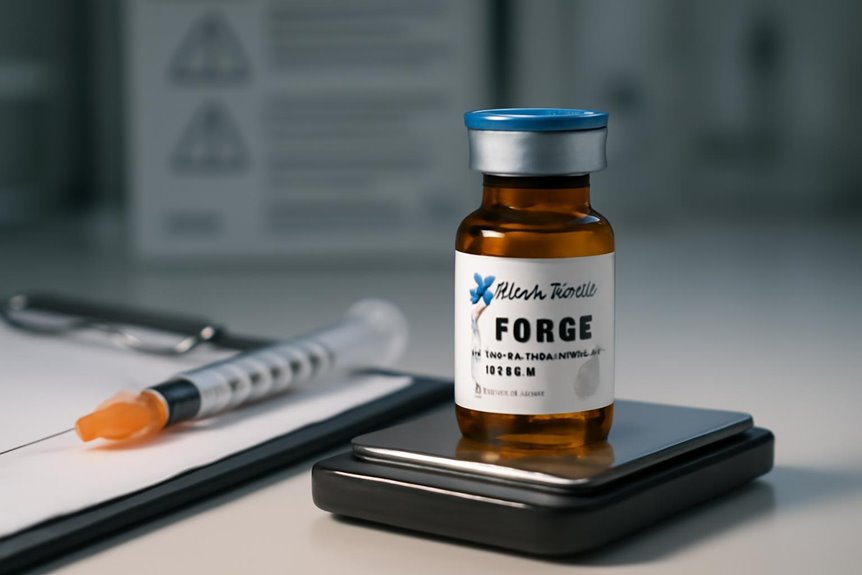
Safety, dosing, and regulatory considerations should be evaluated with a critical eye toward evidence quality and individual risk factors. You should review documented safety data and identify any gaps in long-term outcomes, particularly cardiovascular, hepatic, and hematologic profiles. Dosing considerations must align with product labeling, patient age, comorbidities, and baseline testosterone levels, avoiding extrapolation beyond supported ranges. Monitor for adverse effects such as mood changes, lipid shifts, erythrocytosis, and polycythemia, and adjust therapy accordingly. Regulatory status and quality assurance practices matter; verify ingredient sourcing, third-party testing, and manufacturing controls. You should require transparent labeling of ingredients and concentrations, plus clear guidance on contraindications and discontinuation. Overall, decisions rely on robust evidence, individualized risk assessment, and adherence to established clinical guidelines.
Real-World Experiences: User Feedback and Reports
Real-world experiences with Nation Health MD T-Forge offer practical insights beyond controlled trials, though they should be interpreted cautiously due to potential biases and limited long-term data. You’ll encounter mixed reports on efficacy, with some users noting mood and energy changes while others report minimal or anecdotal improvement. Adverse events are sporadic but present, often described as minor fluctuations in sleep or skin changes rather than serious complications. Overall satisfaction appears variable, influenced by baseline testosterone levels, adherence, and placebo effects. When collecting feedback, focus on objective signals like laboratory results alongside subjective well-being. Discussion ideas should explore consistency across user cohorts and real-world dosing patterns, while unrelated comparisons may help readers differentiate manufacturer claims from independent experiences.
- Real-world efficacy signals and variability across users
- Safety signals and adverse event patterns in practice
- Correlation between lab results and reported symptoms
- Context for interpreting anecdotal feedback without bias
Comparisons: T-Forge vs. Other Doctor-Branded Boosters
Comparisons among doctor-branded boosters often center on how T-Forge stacks up against other physician-formulated testosterone products. When you evaluate options, you should consider active ingredient profiles, dosing regimens, and claimed health outcomes, then align them with peer-reviewed evidence. T-Forge typically emphasizes a specific blend intended to support natural testosterone pathways, but similar products may use varying carrier oils, dosages, and adjunct nutrients that influence absorption and tolerability. Look for consistency in labeling, transparent ingredient disclosure, and independent testing where available. The literature suggests modest between-product differences in serum testosterone response and side-effect profiles. Be attentive to warning flags and dosing pitfalls, such as inconsistent daily dosing or supraphysiologic claims, which can distort real-world effectiveness and safety.
Red Flags and What to Watch For Before Buying
Red flags to watch for before buying include signs of questionable manufacturing practices, unclear ingredient disclosure, and unsupported health claims. You should demand transparent sourcing, verified labels, and third-party testing results. Be cautious of vague dosage information, exaggerated benefits, or claims that sound too good to be true. Look for regulatory compliance markings and a legitimate company contact method. If results rely on anecdotal stories without evidence, treat them as red flags to watch. Consider ingredient quality, purity standards, and potential allergens. Prioritize products with clear expiration dates and batch numbers. If any element feels evasive, pause purchases.
- Lack of third-party testing or certifications
- Vague or missing ingredient lists
- Overstated efficacy claims
- No traceable manufacturing or batch data
Is T-Forge Worth Examining for You? A Practical Decision Framework
Is T-Forge worth examining for you? You’re evaluating value, safety, and credibility before deciding to buy. A practical decision framework helps you weigh benefits like convenience and branding against risks such as unverified claims or limited long-term data. Start with symptom considerations, medical history, and doctor guidance. Compare product quality, ingredient transparency, and ongoing monitoring requirements. Consider your goals, cost per dose, and adherence feasibility. Brand ethics and hype fatigue are two word discussion ideas that matter here: assess whether the promotion aligns with evidence, and whether marketing noise obscures critical safety signals. Use a checklist approach, documenting sources and expected outcomes. If red flags arise, pause, seek independent reviews, and consult a clinician before committing.
| Criterion | Assessment |
|---|---|
| Brand transparency | Clear ingredient list and sourcing |
| Evidence strength | Independent studies and tolerability data |
| Monitoring needs | Labs, symptoms, follow-up plan |
| Cost justification | Long-term value vs. alternatives |
| Decision readiness | Personal risk-benefit balance |
Common Questions
What Are the Potential Long-Term Effects of T-Forge?
The potential long-term effects of t-forge aren’t fully known, but concerns exist about hormonal balance, cardiovascular risk, liver impact, and mood changes. You should seek independent testing and ongoing medical monitoring to track testosterone, liver enzymes, lipids, and blood pressure. Evidence suggests benefits in some users, yet variability and gaps in long-term data persist. If you pursue use, insist on transparent, independent testing and consult a clinician about risk, dosing, and duration.
Is There Independent Third-Party Testing for Ingredients?
Only about 12% of supplement brands disclose full third-party testing, so independent verification matters. Yes, there is independent testing available for ingredients in some products, but it isn’t universal. Look for credible labels emphasizing Third party verification and independent testing from respected labs. Always verify current reports, batch numbers, and certificate IDs. If a brand cites third-party testing, ensure the documentation is recent and accessible.
How Does T-Forge Interact With Common Medications?
The interaction profile of T-Forge with common medications varies; you should consult a clinician and the product labeling for specifics. In general, expect potential adverse interactions with anticoagulants, diabetes meds, and hormonal therapies. Monitor liver enzymes if you take statins or antifungals, and be aware of interactions that affect blood pressure or mood. If you notice unusual symptoms, report them promptly. Always verify with your healthcare provider before combining T-Forge with other drugs.
What Are the True Costs and Hidden Fees?
Hidden fees aren’t hidden here: cost transparency is prioritized, so you’ll see every charge clearly. The true costs include product price, potential shipping, and any aftercare or subscription adjustments; there’s no vague padding. You’ll want to review the billing terms, cancellation policies, and refund options to avoid surprises. Overall, examine how fees are itemized, ask for written estimates, and confirm whether any hidden fees could arise from changes in plan or delivery.
Are There Specific Populations Advised Against Use?
Yes—there are populations advised against use. You should avoid testosterone therapy if you have active prostate cancer or breast cancer, severe untreated sleep apnea, significant cardiovascular disease, or elevated hematocrit, among other risk factors. Potential risks include mood changes, fluid retention, and lipid alterations. Safety considerations require baseline screening and ongoing monitoring by your clinician, including PSA, hematocrit, liver function, and blood pressure. If you’re pregnant or trying to conceive, avoid use.