
SteelPower comes across like a sharp whisper in a crowded room: you’re here because you want real results, not mystery claims. You’re looking for high-CPA rigor, independent testing, and clear, honest dosages you can actually trust. It’s natural to want transparent timelines, upfront risk disclosures, and ingredients you can verify before any ROI-style promises.
If you’re weighing SteelPower, you deserve to know what’s proven, what’s still questionable, and what might just be hype tucked into the label. Let’s walk through what matters to you—so you can decide with confidence whether this product fits your goals and your standards.
Key Points
- SteelPower claims emphasize tangible domains (stamina, strength, libido) with modest gains, underscored by premium branding and elite lifestyle framing for high-earning audiences.
- Verifiable evidence gaps exist: uneven data, lack of standardized dosages, and limited independent testing or third-party certifications.
- Critical evaluation should map claims to data, require transparent ingredients, exact dosages, and realistic timelines for effects.
- Pricing, refunds, and guarantees must be transparent with itemized costs and clear return procedures; beware undisclosed terms.
- Decision criteria include independent verification, clinically meaningful effects, medical history considerations, and potential ingredient interactions.
Why a High-CPA VSL Matters for SteelPower
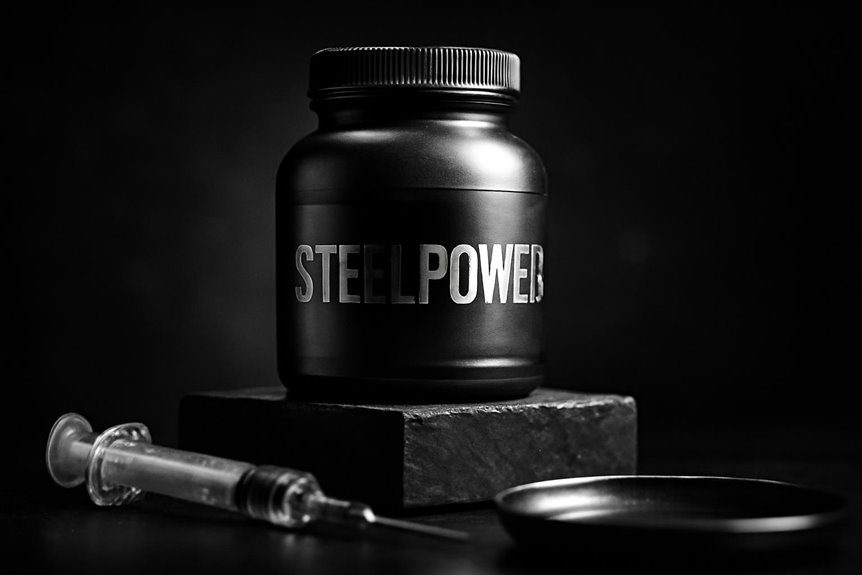
A high-CPA VSL matters for SteelPower because it directly shapes buyer expectations and post-click behavior, not just initial interest. You evaluate the funnel by whether promises align with verifiable benefits, and if CTAs reflect feasible outcomes. The two word discussion ideas you should test are “claims versus evidence.” In practice, hype realities demand differentiation between marketing tone and product truth, lest you undermine trust with overpromises. You’ll track conversion quality, noting if qualified leads persist beyond the click, and whether claims are substantiated by data or biased anecdotes. Precision matters: language should be measurable, not sensational. If the VSL overstates effects, you risk high bounce rates and refunds, undermining long-term profitability. A rigorous, skeptical approach ensures SteelPower’s messaging remains credible while still encouraging informed engagement.
What SteelPower Claims to Deliver for Male Performance
SteelPower positions its claims around tangible improvements rather than hype, outlining specific performance domains it says it can support for men: stamina, strength, and sexual function. You’re asked to assess what’s promised, not what’s proven, so you’ll weigh stated outcomes against typical supplement caveats. The message centers on modest gains rather than miracles, with steelpower claims framed as enhancements to endurance, power output, and libido. Expect caveats about individual variability and the need for healthy baselines. It’s prudent to demand independent verification and to recognize marketing language surrounding performance metrics. Below is a quick hook to frame expectations for steelpower claims and male performance.
| Domain | Claimed Benefit |
|---|---|
| Stamina | Endurance support |
| Strength | Power and grind |
| Sexual Function | Libido and performance |
| Overall | Daily functioning |
| Evidence Outlook | Requires validation |
The Science and Ingredients Behind SteelPower
What exactly backs SteelPower’s ingredient list, and how might those components plausibly influence performance? You’ll see a blend claimed to boost libido, endurance, and focus, but the evidence is uneven. Common ingredients—citrulline, zinc, and perhaps ginseng—have mixed, small, or context-dependent effects in peer-reviewed studies, often with modest gains at best. The formulation’s novelty matters less than dose accuracy, bioavailability, and interactions; without transparent, independent testing, claims hover in the realm of high ROI narratives. SteelPower’s marketing emphasizes luxury branding, yet rigorous substantiation remains inconsistent across components. If prospective users demand proof, look for standardized extracts, placebo-controlled trials, and clearly disclosed dosages. In sum, the science invites skepticism while acknowledging potential, contingent effects.
How the Marketing Targets High-Earning Audiences
High-earning audiences are a natural target for SteelPower’s marketing, given their propensity to value status signals and performance metrics.
You’ll notice messaging centers on quantified gains, exclusive branding, and ROI-like promises. The campaign presumes that wealth correlates with discernment, shaping copy that privileges precision, metrics, and time-saving claims. Yet, credible evidence for typical performance improvements in this demographic remains inconsistent, demanding scrutiny from you as a reader. The target audience is nudged toward premium positioning rather than universal benefit, with testimonials and expert endorsements used to bolst inferences about reliability. Skepticism is warranted when the material emphasizes elite lifestyles and risk-free results.
| Attribute | Implication |
|---|---|
| Exclusivity | Signals status |
| Quantification | Appeals to evidence-minded buyers |
| ROI framing | Justifies premium price |
| Social proof | Builds credibility |
Real User Experiences: Hype vs. Reality
You’ll weigh hype against real-world outcomes by examining what users report versus what the ads promise. The aim is to stack credible testimonials and controlled data, not cherry-picked anecdotes. By separating signal from noise, we start evaluating whether observed effects are consistent, modest, or unsupported by evidence.
Hype vs Reality
Hype around SteelPower often promises swift gains and cinematic results, but real user experiences reveal a more nuanced picture: some users report noticeable improvements, while others see minimal or no change after typical usage periods. You evaluate claims with a skeptical eye, separating marketing rhetoric from data. In practical terms, reported effects vary by individual factors, including baseline performance and adherence. The evidence shared by users tends to be anecdotal and not uniformly verifiable, underscoring the need for controlled trials and transparent data. This tension highlights hype realism: inflated expectations clash with modest, sometimes inconsistent outcomes. Marketing ethics matter here, as presentation and promises influence perceived efficacy. Approach claims with restraint, prioritize reproducible results, and demand clear substantiation before investing further.
Real-World Outcomes
Real-world outcomes show a split between noticeable improvements for some users and little to no change for others, even among those who follow typical usage guidelines. In controlled terms, reports cite modest gains in energy or focus for a subset, but effects on performance metrics remain inconsistent. Anecdotes often bias perception; objective data is scarce and heterogeneous. You should scrutinize study designs, sample sizes, and potential placebo effects before attributing clear causality to steelpower. High CPA campaigns frequently promise universal results, yet independent assessments reveal variable user experiences. If you’re considering trying it, align expectations with available evidence rather than marketing claims. Weigh potential short-term benefits against opportunity costs and financial commitment, recognizing that real-world efficacy may not mirror idealized VSL narratives.
Price, Guarantees, and Transparency You Should Expect
Here’s what to expect on price, guarantees, and transparency: pricing should be clear with no hidden fees, and you should see the total cost upfront before checkout. Look for explicit guarantee terms—what’s covered, how long, and how to claim—without vague caveats. if the seller won’t disclose these details, proceed with caution and demand straightforward, verifiable terms.
Transparent Pricing Practices
Transparent pricing practices matter because you deserve clear, upfront information about what you’re paying and what you’re getting. You should see transparent costs, no hidden fees, and explicit terms for refunds or scale discounts. In high CPA contexts, pricing clarity signals legitimacy and helps you assess value against risk. Expect itemized line items, final total before checkout, and a straightforward return policy. The goal is evidence-based honesty: no bait-and-switch, no vague “starter” claims that escalate after purchase.
| Item | Details |
|---|---|
| Base price | Clearly listed, with currency |
| Extra charges | Any shipping or processing shown upfront |
| Discounts | Conditions and expiration stated |
| Refunds | Time frame and process outlined |
| Guarantees | Scope and limitations defined |
Clear Guarantee Terms
Are guarantee terms truly clear, or do they leave you guessing about price, scope, and eligibility? You deserve transparent terms, not marketing smoke. When you see guarantees, check whether refunds cover shipping, restocking, and time limits, and whether the fine print adds exclusions. Reliable language should specify what qualifies, how to initiate a claim, and expected timelines, with verifiable evidence rather than vague assurances. In vsl marketing, guarantees often hinge on conditions that are easy to misinterpret; ask for plain, public policies you can compare across offers. Look for a no-questions-asked window and documented steps to resolve disputes. This clarity supports high earning due diligence and guards against gimmicks that undermine trust.
- Clear refund window and process
- Defined eligibility and exclusions
- Timelines and required proof
Red Flags and How to Verify Efficacy Responsibly

Red flags in a high-CPA male-performance VSL aren’t just marketing fluff—they’re warnings to verify claims before you buy. You should demand concrete evidence, not vague anecdotes, and check for independent sourcing, transparent ingredients, dosages, and expected timelines for effect. Be skeptical of inflated claims, “miracle” outcomes, or guarantees tied to questionable testimonials. Look for third-party testing, peer-reviewed references, and clear safety notes. To organize your evaluation, use the table below as a quick checklist.
| Claim | Evidence Needed | Red Flag Indicator |
|---|---|---|
| Ingredient efficacy | Independent studies, doses | No sources or exaggerated results |
| Safety profile | FDA/verified labs, adverse events | Vague safety language |
| Timeline of effect | Realistic timelines, data | Impossible timelines |
| Compliance | Transparent labeling, GMP | Vague or hidden ingredients |
How to Compare Steelpower With Similar Supplements
If you’re evaluating SteelPower against similar supplements, start by mapping claims to verifiable data rather than labels. Compare ingredients, dosages, and study citations side by side, not marketing jargon. Look for independent testing, transparent disclosures, and realistic timelines. Be skeptical of “high CPA” promises that rely on anecdotal proof or vague APIs of efficacy; demand concrete endpoints and failure rates. Check for safety measures, adverse event reporting, and third-party certifications. Focus on product claims that are measurable, reproducible, and plausibly linked to outcomes, not hype.
- Ingredient transparency and dosage alignment with evidence
- Independent testing and third-party certifications
- Clear, measurable endpoints and safety data
How to Decide If SteelPower Is Right for You
SteelPower may be right for you if you’re looking for a supplement with transparent ingredients, clear dosages, and evidence-backed claims. To decide, focus on how to choose: verify that ingredients align with published research, note exact dosages, and confirm third-party testing. Skepticism matters: check for clinically significant effects, not hype, and watch for overgeneralized timelines. Assess your goals, medical history, and potential interactions with existing meds. Consider user ethics: is the company transparent about sourcing, manufacturing standards, and adverse event reporting? Read the label for allergens and warnings, then compare trial data to real-world use. If results aren’t plausible from the cited studies or the product lacks independent verification, proceed cautiously or skip. In short, demand verifiable evidence before committing.
Common Questions
How Does Steelpower Differ From Other High-Cpa Male Supplements?
SteelPower differentiation lies in its claimed ingredient profile and dosing strategy, but you should scrutinize the evidence behind those claims. It aims for High CPA positioning by emphasizing performance metrics and rapid response, yet peer-reviewed data is limited. You’ll want to compare rigorous trials, safety profiles, and real-world results against other high CPA supplements. Without transparent methodology, you can’t reliably rank it. Exercise skepticism, demand independent verification, and consider long-term effects before commitment.
What Is the Typical Timeline to Notice Steelpower Effects?
You’ll notice effects in a few weeks, but not instantly—juxtapose rapid hype with slow, steady gains. Timeline expectations vary by individual, often 2–4 weeks for noticeable changes, with continued progress over 6–12 weeks. Don’t trust every quick claim; the placebo effect can shape early impressions. Remain skeptical, track objective markers, and assess consistency over time before attributing results to the product. If needed, consult a clinician for personalized guidance.
Are There Any Known Long-Term Safety Concerns With Steelpower?
There isn’t broad evidence of proven long-term safety concerns specific to SteelPower. However, you should monitor for adverse effects and consult a clinician if you notice persistent symptoms. Prioritize long term safety by checking ingredient transparency—verify that the label lists all components and doses. Skepticism is prudent: robust, independent long-term studies on this blend are limited, so proceed cautiously and rely on well-supported safety data before sustained use.
Can Steelpower Interact With Common Prescription Medications?
Interactions with prescription meds are possible; you should not assume safety. You may experience interaction with prescription meds, and caution with anticoagulants is prudent. If you take blood thinners or other cardiovascular meds, expect potential risks and discuss with a clinician. Evidence is limited and mixed, so don’t self-prescribe or ignore dosing changes. Track symptoms closely, report any unusual effects, and consult your healthcare provider before starting or combining supplements. Skeptical, but vigilant.
Is There Independent Third-Party Testing for Steelpower Ingredients?
Yes, there is some independent testing, but results vary by product and batch. You should seek third party verification from reputable labs or certifications, not vague company claims. Look for explicit testing data, auditor names, and transparent ingredient sourcing. Be skeptical of broad statements and insist on published certificates and methodology. Independent testing helps verify potency, purity, and contaminants, yet it’s not a universal guarantee across all SteelPower formulations. Verify current reports before purchase.