
PhytAge Labs Prostate 911 is designed for men who want calmer mornings, less frequent urges, and a more comfortable daily routine. If you’ve noticed occasional urinary discomfort, nagging urges, or swelling in the feeling of a full bladder, you’re not alone. This product aims to support prostate health and inflammatory balance, using familiar ingredients that many find reassuring.
Think of this as a guide you can trust—a practical look at what might help you feel more at ease. We’ll compare common ingredients like saw palmetto, pygeum, beta-sitosterol, zinc, and vitamin D with what science says, and offer clear, realistic expectations and tips for use.
Key Points
- Prostate 911 is a dietary supplement aimed at supporting prostate health and urinary function, not a prescription drug.
- Core ingredients often include saw palmetto, pygeum, beta-sitosterol components, zinc, and vitamin D.
- Evidence on its claims is mixed; some studies show modest urinary improvements, others show no significant benefit vs placebo.
- Safety considerations include allergy risks, GI upset, headaches, and potential interactions with anticoagulants or diabetes and blood pressure meds.
- Practical use: set realistic expectations, start with documented low doses, monitor effects, and consult a clinician if symptoms persist or worsen.
What Prostate 911 Is and How It Works
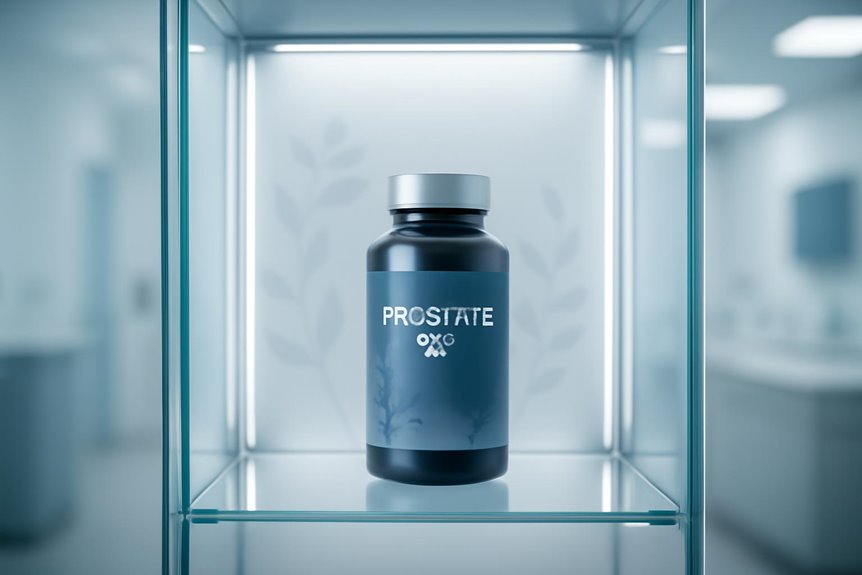
Prostate 911 is a dietary supplement marketed to support prostate health and urinary function. You’ll find it presented as a formulation aimed at supporting urinary flow and prostate comfort, with claims tied to age-related changes. Evidence-based evaluation shows that you should scrutinize the ingredients, possible interactions, and the overall quality of sourcing and manufacturing. Prostate myths can mislead consumers into believing rapid, guaranteed results or miracle outcomes; real-world effects vary and depend on individual health status. Governance around supplements, including labeling and safety reporting, differs from prescription medicines, so you should examine third-party testing and regulatory oversight. If you’re considering this product, consult a clinician to align expectations with evidence and ensure safe use within your treatment plan or preventive strategy. Supplement governance matters for confidence and accountability.
Core Ingredients and Their Roles in Prostate Health
What are the key ingredients in Prostate 911, and what roles do they play in prostate health? You’ll evaluate the core ingredients and how they may impact urinary comfort, healthy prostate size, and inflammatory balance. The formula typically combines botanicals, minerals, and vitamins shown in some studies to support prostate function. Key ingredients often cited include saw palmetto, pygeum, and beta-sitosterol-related components, which may assist with flow and nocturia, alongside anti-inflammatory compounds. Zinc and vitamin D contribute to immune and cellular health, while certain plant extracts provide antioxidant support. Roles in prostate health center on modulating inflammation, supporting normal hormone metabolism, and sustaining urinary tract function. Evidence is mixed; consider dosage, quality, and individual health factors when assessing potential benefits.
What Research Says About Prostate 911’s Claims
In examining what research says about Prostate 911’s claims, the evidence is mixed and context matters. You’ll see mixed results across studies, with some indicating modest improvements in urinary symptoms or inflammatory markers, while others show no significant benefit compared with placebo. Small sample sizes, short durations, and heterogeneous populations limit generalizability, making it hard to draw firm conclusions about long-term effectiveness. Many trials lack rigorous blinding or standardized outcome measures, which feeds into bias concerns. You should weigh product-specific claims against the quality of the underlying studies, recognizing that publication bias can exaggerate positive findings. Overall, research limitations and methodologic weaknesses temper confidence in broad claims about Prostate 911’s efficacy.
Safety, Interactions, and When to Talk to Your Doctor
Evaluating safety and potential interactions is a natural next step after assessing the evidence on effectiveness. You should consider product ingredients, dosage, and any allergies before starting Prostate 911. Safety concerns include rare allergic reactions, gastrointestinal upset, or headaches, though these events are not guaranteed and vary by individual. Review each component for known adverse effects and avoid combining the formula with incompatible supplements or medications. If you take prescription drugs, particularly anticoagulants, antidiabetics, or blood pressure meds, consult your clinician to evaluate drug interactions. Monitor for new or worsening symptoms and discontinue use if you notice severe reactions. Talk to your doctor about your medical history, current therapies, and any planned medical procedures to ensure safe, coordinated care.
Making an Informed Decision: Practical Use and Realistic Expectations
When considering practical use and realistic outcomes, you should align expectations with the available evidence and your personal context. You’ll assess potential benefits alongside uncertainties, recognizing that unclear benefits may emerge across individuals. Base decisions on what is supported by credible data, not marketing claims. Consider your baseline symptoms, health status, and willingness to commit to a regimen, as results depend on consistency and timing. Monitor changes with objective measures, such as symptom trackers or physician guidance, and be prepared for variable user experience. Evaluate risks and costs, including potential interactions with other medications. Use a stepwise approach: start with low, documented doses, observe effects, and seek professional input if symptoms persist or worsen. Prioritize evidence, safety, and realism over hype.
Common Questions
How Long Before Prostate 911 Effects Are Noticeable?
In many users, you may notice subtle improvements within a few weeks, but effects vary. Short term benefits often include minor bladder comfort and urinary ease, while more pronounced changes may take several weeks to a few months. You should monitor for consistency and report any adverse reactions. For long term safety, follow product directions and consult a clinician if you have underlying conditions. If you stop using it, benefits may diminish over time.
Can Prostate 911 Replace Prescribed Medications?
You shouldn’t expect Prostate 911 to replace prescribed medications. You ought to discuss it with your clinician before changing any treatment, since evidence varies and interactions are possible. If you’re evaluating, treat it as a possible complement, not a substitute. In your discussion ideas, weigh risks, benefits, and your medical history. When you share findings, frame it around product marketing claims and objective data to avoid misinformation. Always prioritize evidence-based guidance.
Does Prostate 911 Interact With Common Supplements?
If you’re considering Prostate 911, you should know that it can interact with certain supplements. For example, taking zinc with high-dose saw palmetto may alter absorption and effect. Prostate 911 interactions can occur, so watch supplement timing to avoid conflicts. You should monitor how you space doses, and consult a clinician if you take anticoagulants or hormone modifiers. In short, stagger supplements, review labels, and document timing to reduce risks.
What Are Common Side Effects Reported?
Common side effects reported with Prostate 911 are usually mild and include digestive upset, headaches, and fatigue. Some users notice changes in urine frequency or color, but severe reactions are rare. Efficacy expectations vary; many users report modest improvements in urinary symptoms, while others see limited benefit. If you experience persistent or worsening symptoms, stop use and consult a clinician. Track side effects and interactions with other meds to evaluate overall efficacy and safety.
Is Prostate 911 Suitable for All Ages?
Prostate 911 isn’t suitable for all ages. Age relevance matters, so you should consider prostate age relevance and discuss with a clinician, especially if you’re under 18 or over 70. You’ll want evidence-based guidance on supplement safety, potential interactions, and dosing. While some adults may benefit, this depends on health status, meds, and risk factors. Use caution, seek professional advice, and monitor for adverse effects. Avoid assuming universal safety or effectiveness.